
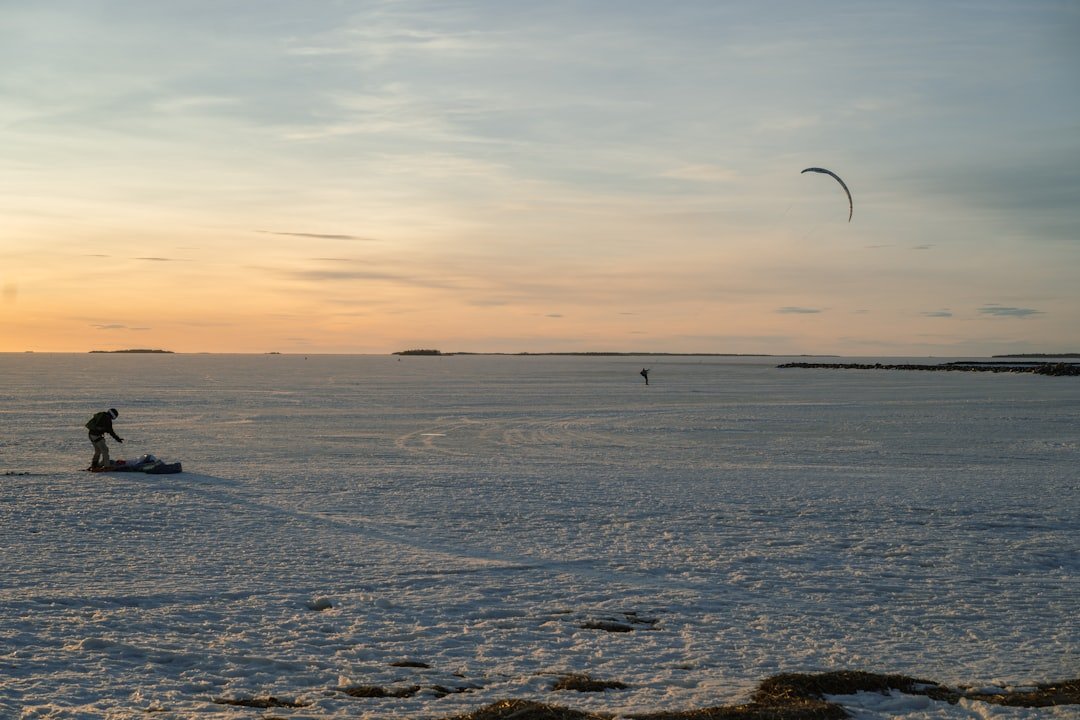
Somewhere around the fifth time I read that Finland was, once again, the happiest country in the world, I started wondering why every expat I’ve spoken to who’s actually moved there tells a completely different story.
Finland has held the #1 spot on the World Happiness Report for eight years running. Eight. That’s not a fluke, that’s a dynasty. And yet in 2024, the InterNations Expat Insider survey, the largest study of expat life in Finland and around the globe, ranked the country 51st out of 53. Third to last. Only Turkey and Kuwait scored worse.
So either tens of thousands of expats are collectively wrong about their own experience, or “happiest country” doesn’t mean what you think it means.
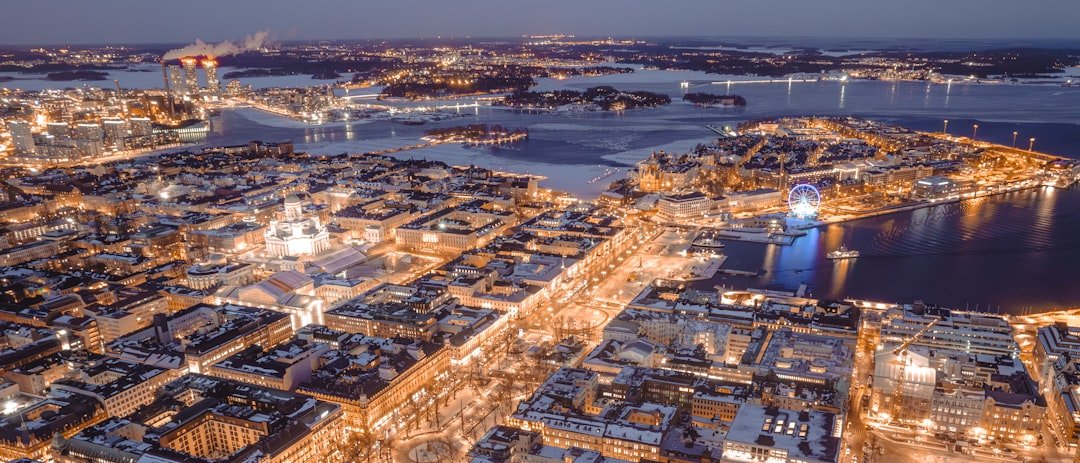
The Happiness Metric Doesn’t Measure What You Think
Here’s the thing about the World Happiness Report: it doesn’t actually measure happiness. Not in the way most people use that word. It measures life satisfaction across six factors… GDP per capita, social support, life expectancy, freedom to make life choices, generosity, and perceptions of corruption. Finland scores absurdly well on all six.
But “life satisfaction” for Finnish citizens living inside a system designed for them is a very different thing from “happiness” for a foreigner who just landed at Helsinki-Vantaa with two suitcases and zero Finnish.
Finnish philosopher Frank Martela, who actually studies this stuff, put it in terms that landed with me: Finland isn’t the happiest country by most people’s definition. It’s the least miserable. The most contented. The system catches people before they fall through the cracks, which means fewer deeply unhappy people pulling down the average. That’s not a nation of people walking around grinning. That’s a nation where the floor is high enough that almost nobody hits rock bottom.
For Finns, it works. For expats, the safety net doesn’t compensate for the thing they’re actually missing: connection.
The Social Wall Nobody Warns You About
Finnish culture has an unspoken operating principle that doubles as a national philosophy: every Finn is their own island. Small talk isn’t awkward in Finland… it’s just nonexistent. Nobody’s going to chat you up in the elevator, nobody’s going to ask how your weekend was at the coffee machine, and if you try the “howdy, neighbor” routine when you move into your new apartment, expect a polite nod and a closed door.
This isn’t rudeness. Finns will tell you, if you ask them directly because they certainly won’t volunteer it, that silence is comfortable. It’s a sign of respect. Talking just to fill space is what’s actually considered strange here.
For an American, a Brazilian, a Spaniard, really anyone from a culture where social connection happens through casual, spontaneous interaction… this feels like being frozen out. And not in the weather sense, though we’ll get to that.
The InterNations data backs up the anecdotes. Finland ranked as one of the most difficult places on Earth to make local friends. The language barrier compounds everything. Finnish is widely considered one of the hardest languages for English speakers to learn, with 15 grammatical cases and a structure that bears almost no resemblance to any Romance or Germanic language. While Finns speak excellent English in professional settings, the social world beyond surface-level interactions runs almost entirely in Finnish and Swedish. Job opportunities shrink dramatically if you can’t speak at least one of them.
The practical advice from expats who’ve made it work? Your first friends won’t be Finnish. They’ll be other expats. Join sports clubs, attend Helsinki meetups, show up to festivals. Take Finnish classes, not because you’ll master it (you probably won’t, and that’s fine) but because the classroom is one of the few structured environments where Finns and foreigners actually interact on equal footing. Organizations like International House Helsinki run friend programs specifically designed to bridge this gap.
Kaamos Will Test You
And then there’s the darkness.
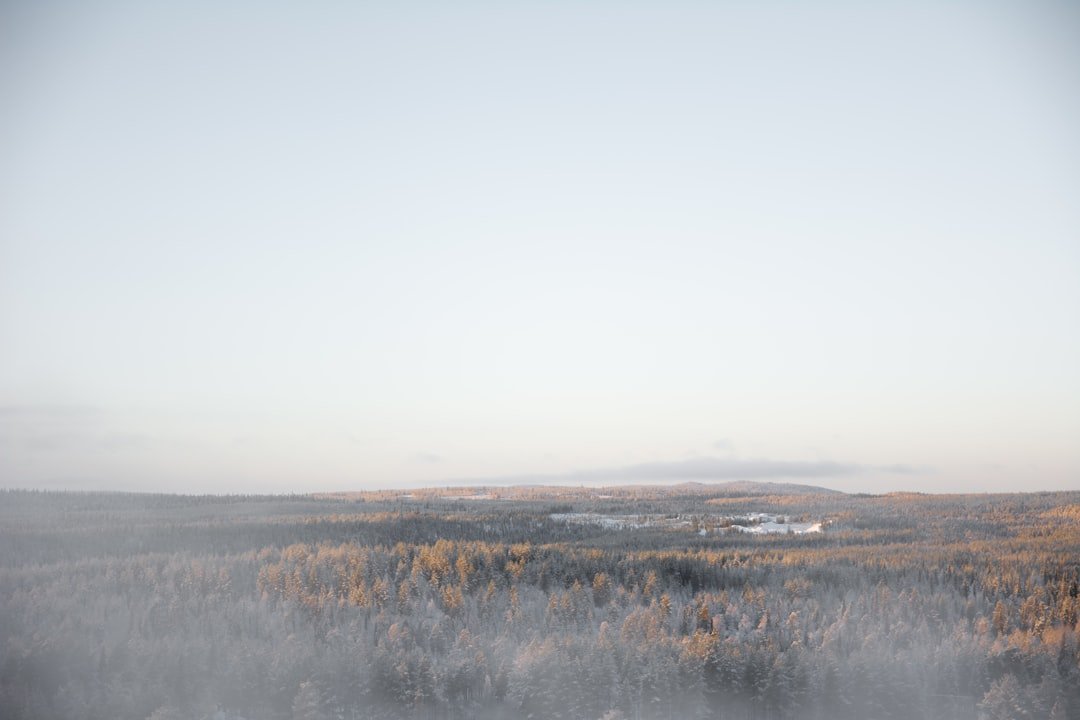
In Helsinki, winter days shrink to around six hours of grayish light. Head north to Lapland and the sun doesn’t rise at all for weeks. This period is called kaamos, the polar night, and it’s not some romantic concept from a travel brochure. In the northernmost municipality of Utsjoki, it lasts about eight weeks. Eight weeks where the sky cycles through various shades of black and deep blue and your body clock has no idea what time it is.
About 85% of Finnish adults report that seasonal changes affect their mood. That’s Finns, people who’ve lived with this their entire lives. For someone arriving from the Mediterranean or the tropics, kaamos hits like a freight train. “Kaamos-depression” is an established medical term here, characterized by increased appetite, excessive sleepiness, and a persistent exhaustion that no amount of coffee (and Finns drink more coffee per capita than anyone on earth) seems to fix.
Light therapy lamps are as common as toasters in Finnish homes. That should tell you something.
The flip side, and this matters, is that Finnish summers are almost hallucinatory. Twenty hours of daylight, temperatures that actually qualify as warm, the entire country coming alive in a way that makes winter feel like it happened to a different person. Midsummer in Finland is genuinely magical… bonfires on the lake, endless golden light, the whole population migrating to their summer cottages. It’s just that you have to earn it by surviving December through February first.
What Finland Actually Gets Right (And It’s a Lot)
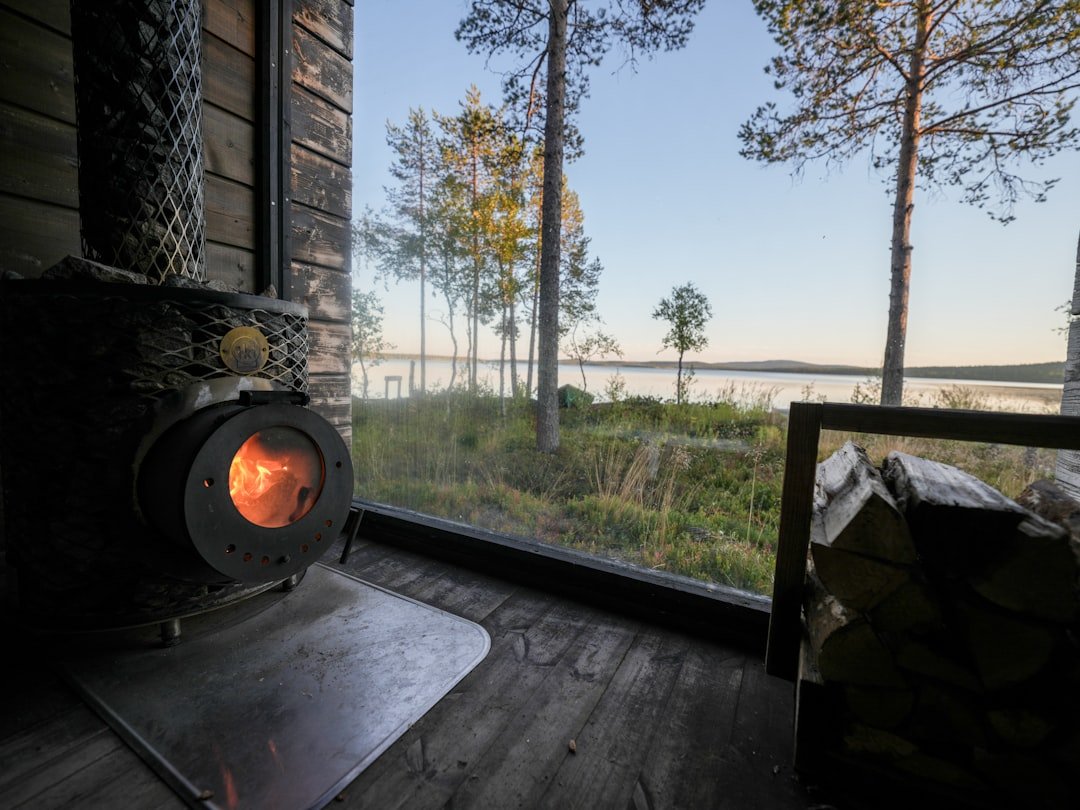
Here’s where I have to complicate my own argument, because Finland isn’t just good at safety nets. Some things here are world-class in ways that genuinely matter for long-term quality of life.
Healthcare: Ranked 3rd globally for quality in the 2024 World Index of Healthcare Innovation. Every permanent resident gets access to the public system through Kela, Finland’s social insurance institution. Yes, wait times for specialists can stretch to months, and most expats end up supplementing with private insurance for faster access. But the baseline floor of care is higher than what money buys you in most countries. Out-of-pocket costs are capped annually, too.
Safety: Finland is consistently ranked among the safest countries on the planet. Violent crime is nearly nonexistent by global standards. The kind of hypervigilance you develop living in large cities in the Americas or Southeast Asia just… dissolves here. That’s not a small thing when you’re raising a family or just want to walk home at midnight without thinking about it.
Education: If you have kids, Finland’s education system is legendary for good reason. Free through university, consistently top-ranked globally, and built on a philosophy of learning through exploration rather than standardized testing. International schools are available in Helsinki, Tampere, and other major cities for families who want English-language options.
The social contract: Taxes are high. Very high. But you can see where every euro goes. Infrastructure works. Public transport is reliable. The government functions. Corruption is essentially nonexistent. Finland has ranked among the least corrupt countries in the world for years. After spending time in countries where bureaucracy feels designed to punish you, Finland feels like a different species of government entirely.
The Residency Rules Just Got Tougher
As of January 8, 2026, Finland tightened its permanent residence requirements significantly. The new rules, which apply to all applications submitted on or after that date, include:
- Six years of continuous residence on a standard track (previously four)
- At least two years of work history in Finland
- Demonstrated proficiency in Finnish or Swedish at B1 level (formally tested)
- No reliance on social assistance or unemployment benefits during the qualifying period
There are faster paths, but they come with higher bars:
- Four years if your annual income exceeds €40,000 (no language requirement)
- Four years with a Finnish-recognized higher university degree plus two years of work history
- Four years with C1-level Finnish or Swedish plus three years of work history
Work-based residence permits still require a Finnish employment contract and a minimum gross salary of roughly €1,700 per month. Application fees run €240 for online submissions, up to €610 for certain categories like the EU Blue Card or entrepreneur permits. Processing typically takes 6 to 9 months.
The broader context matters here. Immigration to Finland dropped significantly in 2025, with 50,060 arrivals compared to over 63,000 the year before. Work-based applications fell roughly 25%, largely because the economy weakened and unemployment rose. The tighter residency rules sit on top of a job market that’s already less welcoming than it was two years ago. If you’re planning a move to Finland, planning further ahead just became non-optional.
What It Actually Costs
Finland isn’t cheap, but it’s not Switzerland or Norway either.
A single person living in Helsinki should budget around €2,000 to €2,500 per month for a comfortable life. Outside Helsinki, particularly in cities like Tampere, Turku, or Oulu, that drops to roughly €1,700 to €2,000. A family of four in Helsinki is looking at closer to €4,800 monthly.
Rent for a studio apartment in Helsinki runs €684 to €950 per month. A family-sized apartment pushes well past €1,200. Groceries, dining out, and transportation are all above the European average but below Scandinavian neighbors Norway and Denmark.
The upside is that so many services, from education to healthcare to public transport, are partially or fully subsidized that your effective spending power stretches further than the headline numbers suggest. You’re not paying €15,000 a year for private school. You’re not paying for catastrophic health insurance. And you’re not paying tolls on every highway. When you factor in what you’re not paying for, the cost of living calculus shifts meaningfully.
So Who Is Finland Actually For?
This is the real question, and the honest answer is: Finland is an extraordinary place to live for a specific kind of person, and a quietly miserable one for everyone else.
It works if you’re someone who genuinely doesn’t mind, or actively prefers, a quieter social life. If you recharge by being alone, if you don’t need a packed social calendar to feel content, and if you value systems that work over scenes that sparkle… you might love it here in a way the surveys can’t capture.
It works if you have kids and education is a priority. It works if you have a remote job that pays well and a social network that exists mostly online. It works if you’re in tech, because Finland’s startup ecosystem, anchored by Helsinki and Oulu, is genuinely thriving.
It does not work if you need warmth, both literal and social, to function. If your idea of a good neighborhood is one where people wave at each other and strike up conversations at the corner bakery. If you feed on spontaneous social energy, if you wilt without sunshine, if you need to feel welcomed rather than merely tolerated.
That’s not a flaw in Finland. It’s a feature. The same cultural reserve that makes it hard for outsiders is exactly what makes the system work for the people who built it. They’re not being cold. They’re being Finnish.
The World Happiness Report isn’t wrong. Finland really does have one of the highest quality-of-life floors on the planet. But a high floor and a warm welcome are two very different things, and understanding the gap between them is the difference between moving to Finland and thriving there, or moving to Finland and counting the days until you leave.
If you’re considering Finland and want to figure out whether it’s right for your situation, get in touch. I can help you think through the residency options, the timeline, and whether what Finland offers actually matches what you’re looking for. Because the worst move is the one you make based on a headline instead of reality.
Immigration policies change frequently. The information in this article reflects requirements as of May 2026. Always verify current requirements with official government sources or a qualified immigration professional before making decisions.