
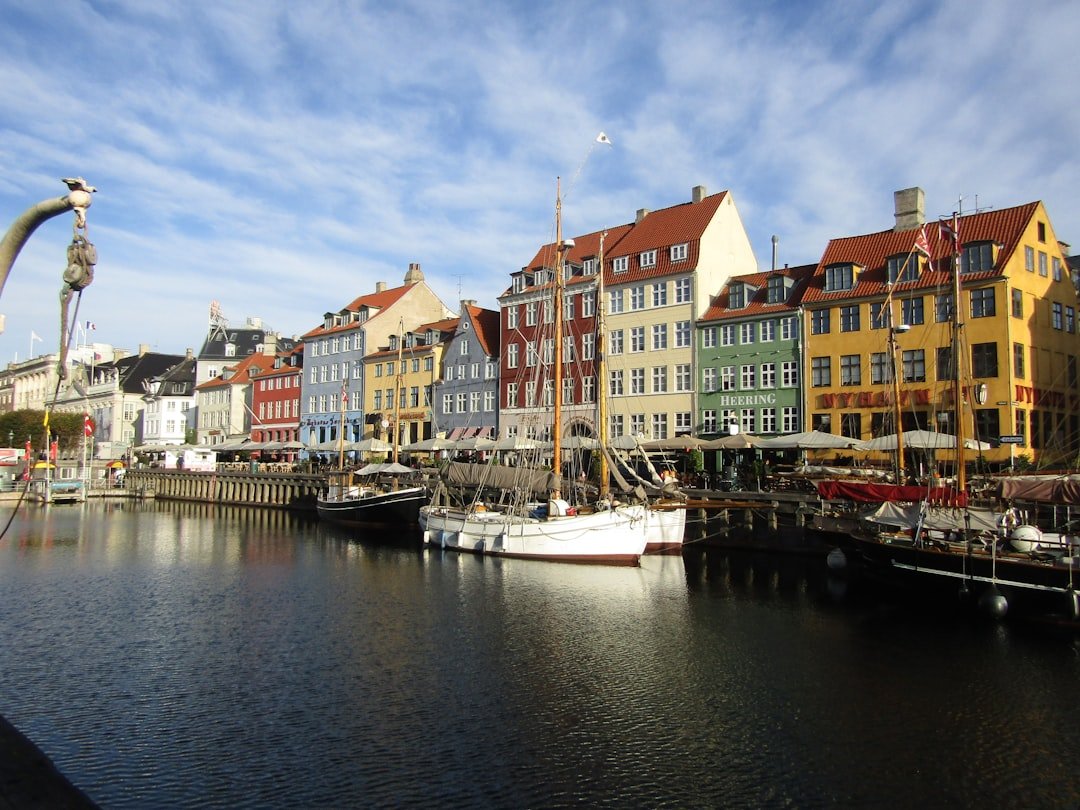
Denmark just landed at number three on the 2026 World Happiness Report. Again. The Danes have been hogging the top spots for over a decade now, trading places with Finland and Iceland like they’re taking turns at the podium. Universal healthcare, 52 weeks of parental leave, some of the safest streets in Europe, and a cycling infrastructure so good that 62% of Copenhagen residents pedal to work every single morning.
Sounds like paradise, right? So why did InterNations, in their global Expat Insider survey, rank Denmark dead last out of 53 countries for making friends?
Not a typo. Last. Behind every other surveyed destination on earth. Sixty-six percent of expats said they found it difficult to make local friends, nearly double the global average. Almost 40% described their social life as outright bad.
The systems work beautifully here. The human connection? That gets complicated.

Healthcare That Actually Works
Denmark’s public healthcare system does something that sounds almost alien to anyone coming from the United States: it just… works. You register for a CPR number (Denmark’s civil registration equivalent) after establishing residency, you get a yellow health card, and that covers it. Doctor visits, hospital stays, specialist referrals, emergency care, all funded through taxes. No insurance premiums. No co-pays. No arguing with a claims department at 2am while you’re running a fever.
The catch? Dental care isn’t included. Neither are some specialized treatments. And you need to be in the country for more than three months with a valid residence permit before you’re eligible. EU citizens can bridge that gap with the European Health Insurance Card, but everyone else needs private coverage for those first months.
English is widely spoken across the healthcare system, especially in Copenhagen’s hospitals and clinics. Outside the capital, it gets spottier, but you’re unlikely to face a genuine language barrier during treatment.
For a system funded entirely through taxation, the quality is remarkably high. Denmark spends around 10% of GDP on healthcare and consistently ranks in the top tier globally for patient outcomes. Wait times for non-urgent care can stretch longer than what you’d find in a private system, but for anything serious, the response is fast and competent.
Parental Leave That Makes the Rest of the World Look Barbaric
This is where Denmark really flexes. Both parents get 24 weeks of leave after birth, 11 of which are earmarked and non-transferable (use them or lose them). The mother gets an additional 4 weeks before birth and 10 weeks after. Total it all up, and a family can split 52 weeks of paid parental leave between them.
And starting January 2026, Denmark extended leave rights for parents whose newborns are hospitalized, from a maximum of three months to a full 12 months per parent. They also loosened the rules so you can work up to 3.5 hours per week while collecting full parental benefits.
Five weeks of paid vacation per year is standard, not a perk. The average workweek hovers around 37 hours. Danes tend to leave the office at a reasonable hour, and nobody treats it as a character flaw.
The result is a population that actually has time to raise kids, take vacations, and maintain relationships outside of work. Which makes it all the more ironic that the expats living among them feel so isolated.
Getting Around Without a Car
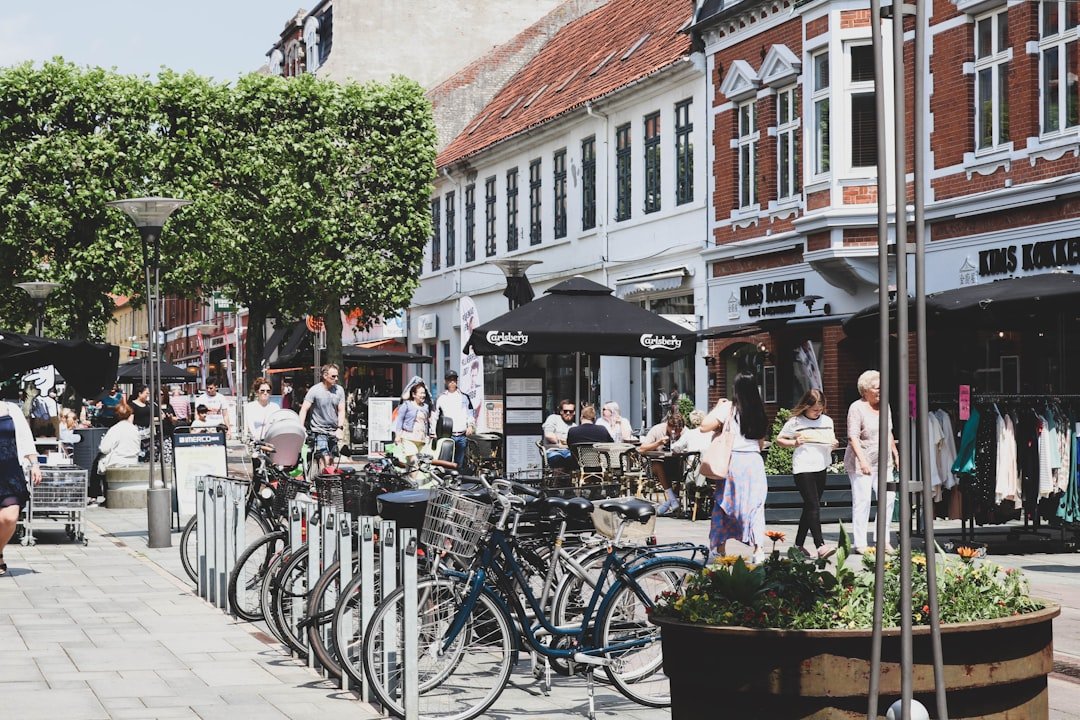
Copenhagen is one of those rare cities where not owning a car isn’t a lifestyle compromise. It’s the default. The metro runs 24/7 with trains every 90 seconds during rush hour. S-trains cover the broader metro area. A light rail extension rolling out through summer 2026 will connect even more suburban municipalities with departures every five minutes during the day.
But the real story is the bikes. Every single day, Copenhagen residents collectively cycle 1.2 million kilometers. Not for exercise, not for social media content. For commuting. The city has built its infrastructure around two wheels: separated cycle lanes on every major road, traffic lights timed for bike speed, bridges designed exclusively for cyclists and pedestrians.
A network called the Cycle Super Highway is building out 26 routes covering 300 kilometers, connecting 22 municipalities across Greater Copenhagen. Bicycles ride free on the S-train. The whole country is compact enough that a train ride from one end to the other takes about five hours, and Intercity trains connect Copenhagen to Aarhus, Odense, and Aalborg on a half-hourly schedule during the day.
You can live a perfectly functional, car-free life here. A lot of Danes would look at you funny if you didn’t.
The Social Freezer
Here’s where the brochure falls apart.
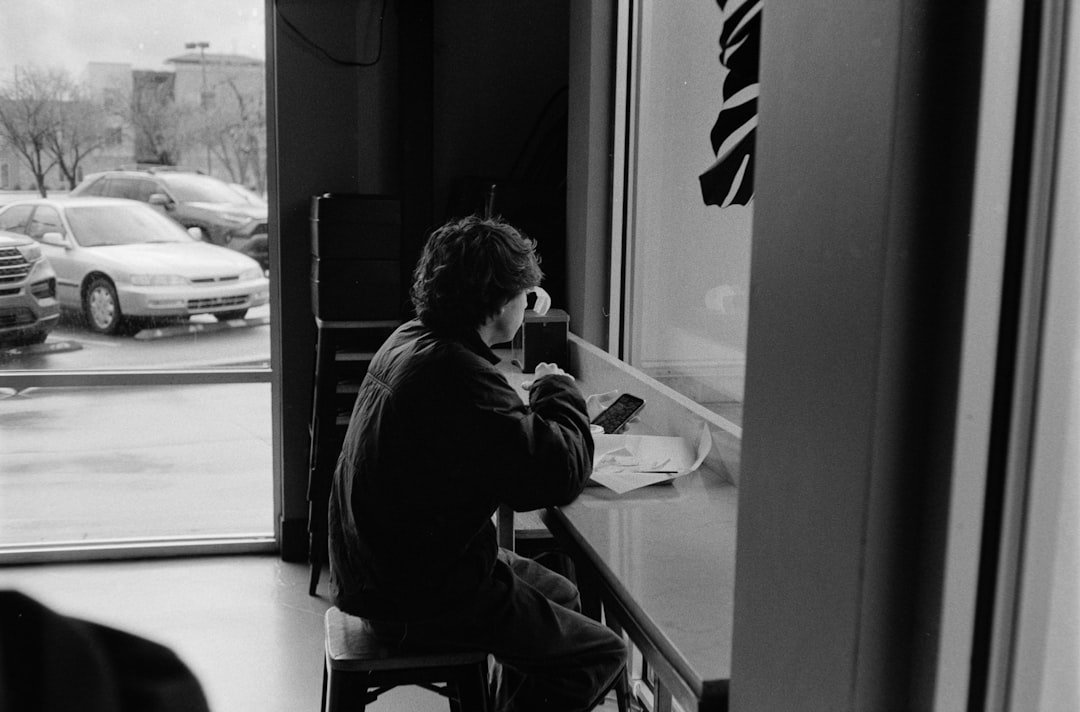
Denmark is, by every measurable metric, a fantastic place to live. It is also, by the testimony of tens of thousands of foreigners who’ve actually tried it, one of the hardest places on earth to build a social life.
The numbers are brutal. InterNations surveyed expats in 53 countries and Denmark came in dead last for the Finding Friends category. 66% of respondents said making local friends was difficult, compared to a global average of 36%. Nearly four in ten rated their entire social life negatively.
The explanation is cultural, not personal. Danes form their core friendship groups during school, and those groups tend to stay locked for life. They’re not unfriendly… they’re just full. Their social calendar is accounted for. They have their people already, and there isn’t a strong cultural impulse to add new ones, especially not someone who might leave in three years.
Then there’s hygge, which international media has turned into a cozy branding exercise but which, in practice, is deeply private. Hygge happens in small circles, in people’s homes, behind closed doors. It’s not something you stumble into at a bar. You get invited or you don’t.
Language plays a role too. Yes, Danes speak excellent English. Nearly all of them. But social bonding, the real kind, happens in Danish. The office meetings are in English; the after-work conversation where relationships actually form? That slides into Danish. And Danish is notoriously difficult to learn, with pronunciation rules that make French look straightforward.
The practical advice from people who’ve cracked it: join a sports club, volunteer, find a niche hobby group. Consistency matters. Show up every week, same place, same people. Friendships with Danes don’t happen fast, but they can happen if you’re willing to put in months of low-key persistence. And make expat friends in the meantime. They get it. They’re looking for you too.
What It Costs to Live in This Utopia
Nobody moves to Denmark for the prices. Copenhagen runs 18,000 to 22,000 DKK per month for a single person (roughly $2,600 to $3,200 USD). A one-bedroom apartment in the city center will cost you 9,000 to 13,300 DKK in rent alone.
Then there are taxes. Denmark’s top marginal rate hits approximately 57%, or 60.5% including the labor market contribution. If you earn a decent salary, the government takes more than half.
But there’s a carrot for certain expats: the Forskerordningen, or researcher/expat tax scheme. If you’re recruited from abroad to work in Denmark and earn at least DKK 65,400 per month (about $9,500 USD), you can apply for a flat 27% tax rate for up to 84 months, or seven years. Including the 8% labor market contribution, that brings the effective rate to about 32.84%. It’s a significant discount, but the salary threshold locks out most entry-level positions.
Groceries, dining out, and entertainment are all above the European average. A beer at a Copenhagen bar will run you 50 to 70 DKK ($7 to $10 USD). But Danes earn well. The average gross salary sits around DKK 48,000 to 54,000 per month, and take-home after taxes is typically 30,000 to 36,000 DKK. The cost of living is high, but so is the floor. There’s no American-style financial catastrophe waiting if you get sick or lose your job. The safety net is the most comprehensive in the world.
Getting In Is Getting Harder
Denmark has been tightening immigration rules steadily, and 2026 brought another round of restrictions.
Application fees rose to DKK 6,330 for work permits (up from 6,055), with an additional DKK 2,385 per accompanying family member. The Positive List, which identifies shortage occupations qualifying for work permits, got shorter. Salary thresholds under the Pay Limit Scheme went up. And in a move that caught many by surprise, Denmark suspended the issuance of temporary residence permits for foreign doctors and nurses seeking Danish professional authorization through the end of 2026.
International students face stricter admission criteria and have lost the right to bring family members. Posted workers from foreign companies now deal with more inspections and higher penalties for non-compliance.
The main pathways in:
- Pay Limit Scheme: A job offer with a salary of at least DKK 448,000 annually (roughly $65,000 USD). No labor market test required.
- Positive List: Specific occupations experiencing a shortage. The list is updated regularly and got smaller in 2026.
- Fast-Track Scheme: For certified companies that can bypass some processing steps.
There is no digital nomad visa. If you want to work remotely from a Copenhagen cafe, you’re technically not supposed to be doing it on a tourist visa, and Denmark hasn’t created an alternative.
So Is It Worth It?
Denmark is not for everyone, and it’s not pretending to be.
If you’re a skilled worker in a shortage field, earning well enough to qualify for the expat tax scheme, and you genuinely enjoy structure, cycling, and being left alone until you’ve earned your way into someone’s social circle… Denmark might be the best-run country you’ll ever live in.
If you need warmth, spontaneity, easy friendships, or affordable housing… there are better matches. Portugal. Colombia. Mexico. Places where the systems might not be world-class but the human connection is immediate.
The honest truth about expat life in Denmark is that it’s proof that a well-functioning society and a welcoming one aren’t automatically the same thing. Everything works. The trains are on time. The hospitals are free. The streets are safe. And you might spend your first two years eating dinner alone.
Not a deal-breaker for everyone. But it’s something every expat should know before they pack.
—
Immigration policies change frequently. The information in this article reflects requirements as of May 2026. Always verify current requirements with official government sources or a qualified immigration professional before making decisions.
Thinking about your next move? Talk to us about building your global mobility strategy, whether Denmark is on your list or not. We help people figure out where they actually belong, not just where the rankings say they should go.