Most people don’t think of Brazil when they picture a golden visa program. That spot usually goes to Portugal, the UAE, or one of those Caribbean islands that will hand you a passport for a check and a firm handshake. But Brazil has been running its own investor residency program for years, and depending on your goals, it might be one of the more underrated deals in the Brazil investor visa space right now.
The program is called VIPER (Visto de Investidor em Patrimônio Imobiliário e Residência), which translates roughly to “investor visa via real estate and residency.” Despite the bureaucratic name, the structure is actually pretty straightforward: put money into Brazil through one of three approved routes, and you can get permanent residency for yourself and your family. No annual stay requirements worth worrying about. No points system. No waiting in a temporary limbo for years before you know where you stand.
What the Brazil Investor Visa Actually Gets You
From day one of approval, VIPER grants full permanent residency,ot a temporary permit that you have to renew while hoping the rules don’t change. You receive a CRNM (Carteira de Registro Nacional Migratório) card, which is the official Brazilian residency document, with the same rights as any long-term resident: the ability to live, work, run a business, open bank accounts, and access most public services.
Have a family? Your eligible family members come along under the same application. Spouse or civil partner? Covered. Children or dependents under 18? Covered. They will all receive their own CRNM cards at no additional investment cost!
The presence requirement is also pretty minimal if you find yourself needing to mostly remain in your home country: you only need to visit Brazil for at least 14 days every two years to maintain residency and, after four years, qualify for naturalization. For most people this is certainly not a hardship given that Brazil is a genuinely enjoyable place to spend two weeks.
Three Ways to Qualify
To qualify for the VIPER program, there are three distinct investment routes- each with different minimums and different audiences.
Business Investment: R$500,000 (~$90,000 USD)
Invest at least R$500,000 into the equity of a Brazilian legal entity and submit a business plan demonstrating economic benefit, typically job creation or income generation for Brazilians. This route is the most direct path to permanent residency and suits people who want to actually operate a business in Brazil, not just hold a property. The business plan requirement is a must, meaning Brazilian authorities do want to see a viable project and not just a shell company with a check inside.
Innovation and Technology: R$150,000 (~$27,000 USD)
This one is the lowest threshold in the program. If you are investing in a technology or innovation-focused company, the minimum drops to R$150,000. This route has attracted interest from entrepreneurs and startup founders because the entry cost is low and the Brazilian tech ecosystem in cities like Sao Paulo and Florianopolis has been growing quickly. The catch is that the business plan approval process is more scrutinized, since the government wants to verify the company genuinely qualifies as innovation-focused.
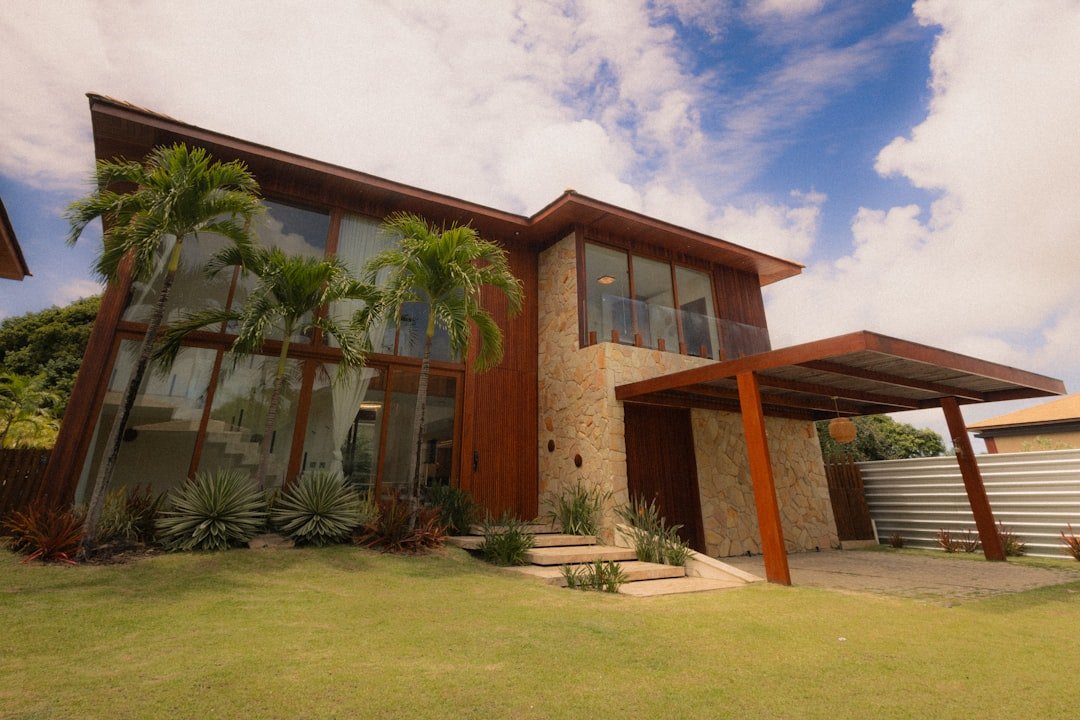
Real Estate Investment: R$1,000,000 (~$180,000 USD)
Buy qualifying urban residential or commercial property worth at least R$1,000,000. In Brazil’s North and Northeast regions, that threshold drops to R$700,000 (about $126,000 USD). Rural land does not qualify. The funds must come from outside Brazil and be transferred through authorized foreign exchange channels registered with the Banco Central do Brasil. This matters practically: you cannot wire money to a local account first and then pay for the property. The foreign origin of the funds needs to be traceable.
Foreign nationals can own Brazilian urban property with the same rights as citizens. No special approvals, no ownership quotas for standard residential purchases in cities like Sao Paulo, Rio de Janeiro, or Florianopolis. Relocation planning is much simpler when the legal pathway is clean from the start.
The Path to Brazilian Citizenship
Here is the part that often surprises people: Brazil has a reasonably accessible path to citizenship for VIPER holders.
Once you have permanent residency and have maintained it for four years, you can apply for Brazilian naturalization. The requirements include demonstrating basic Portuguese language ability and good character (clean criminal record, and yes ordering iced coffee is apparently a crime in Brazil). The minimum physical presence to qualify is, again, low by international standards, making Brazil one of the quickest and more practical citizenship-by-residency paths available, assuming you have no particular attachment to the idea of living there full time.
Brazilian citizenship means a Brazilian passport, which currently allows visa-free or visa-on-arrival access to more than 170 countries. It also means Brazilian citizenship for any children born in Brazil during your residency, which is a different consideration entirely but worth knowing.
Some legal advisors point to a potentially accelerated three-year path to citizenship under certain conditions, though the standard timeline is four years. If this matters for your planning, it is worth getting qualified consulting, such as through Flare International, to get a read on your specific situation before you assume the shorter timeline applies.
Why 2026 Is Worth Paying Attention To
The honest answer to “why now?” is that the numbers work well for foreign investors right now, and that may not last. The world is in a very unpredictable place right now where diversifying both your financial portfolio and your physical residency options is crucial to having a plan B. If you are getting your pieces together at the start of a national or global meltdown, it is too late.
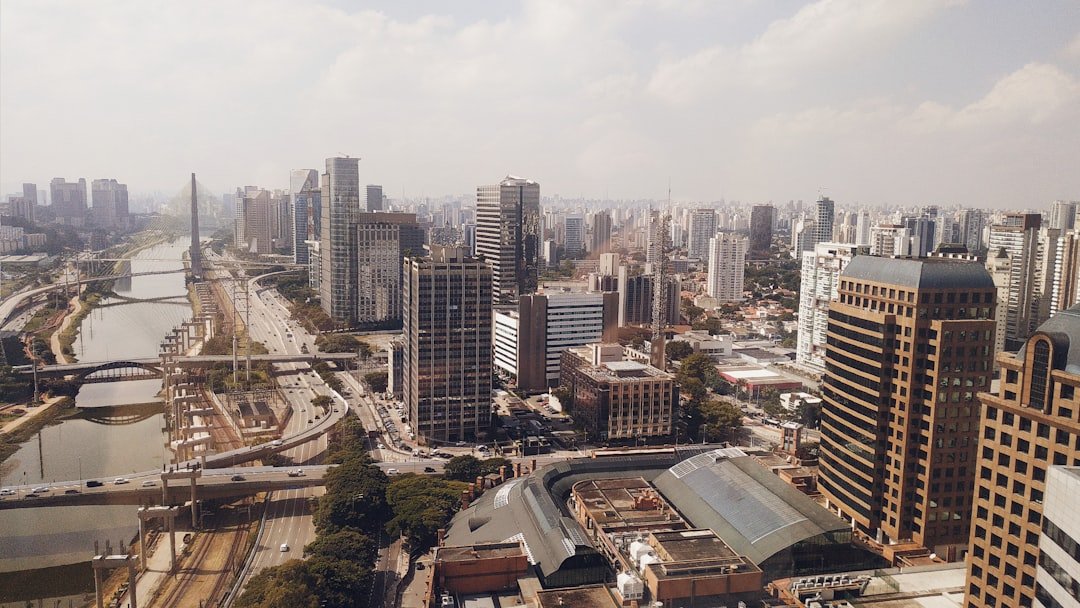
The Brazilian real traded at around R$5.40 to the USD in January 2026, which is actually a strengthening from the record lows of late 2024, when fiscal concerns pushed the currency weaker. But even at current rates, Brazilian real estate prices in USD terms are substantially below comparable assets in Western Europe, Southeast Asia, or North America. A property in a desirable São Paulo neighborhood like Pinheiros runs R$12,000 to R$18,000 per square meter, which at current exchange rates puts a qualifying property at roughly $200,000 to $350,000 for a decent-sized apartment. That is not cheap, but with São Paulo setting the bar for “most expensive city in South America, it is competitive with what you would pay for investor visa thresholds in other countries.
The other factor is the upcoming October 2026 presidential election. Pre-election periods in Brazil historically introduce volatility into the real and into investor sentiment. Getting in before that cycle peaks, if the program fits your goals, is worth considering from a timing standpoint. Financial and legal strategy around timing matters more than most people realize in investor visa applications.
Brazil’s real estate market is also projecting moderate growth of 5% to 9% annually through 2027 and 2028, driven by an ongoing housing shortage and increasing urban infrastructure investment. Rental yields in São Paulo average around 5.94%, which is not spectacular but is serviceable if you are holding property you would need to purchase anyway for the visa. Learn more about global mobility consulting services to understand how investment timing intersects with visa strategy.
The Process: What to Expect
The timeline from decision to approved residency card typically runs three to seven months, with the bulk of that time consumed by setup and planning, not government processing. The consulate usually issues the visa within 5 to 30 days once all documentation is filed. Getting there requires:
- Obtaining a Brazilian CPF (tax registration number) via a Brazilian consulate or in-person in Brazil. This takes one to five business days and is required before you can purchase property or register a company.
- Completing the investment: property purchase with full title deed in your name, or company formation with investment deposited into equity.
- Registering the foreign capital transfer with the Banco Central do Brasil for real estate purchases.
- Compiling the documentation package: investment proof, property records or company registration, clean criminal background check, health documentation.
- Filing through the Brazilian consulate in your country or directly with the Federal Police if you are already in Brazil.
The CPF step is frequently the one that catches people by surprise. Get it done early, because you cannot do anything else without it. Some consulates process it in a single appointment; others require advance scheduling. Give yourself a month of buffer for this step alone.
You will also want a global mobility consultant or immigration lawyer at your side. This is not a DIY process for most people, and the cost of professional guidance is small relative to the investment amounts involved. Errors in the capital transfer documentation or the business plan review can cause significant delays. Get in touch with Flare International Solutions if you want guidance on structuring your path through the process.
Who This Program Actually Makes Sense For
VIPER works best for people who want a South American base, have genuine interest in Brazil as a place, or are building a global citizenship portfolio that includes a Mercosur option. It is not the lowest-cost second residency on the planet, but it offers real assets in return rather than just a document.
The innovation investment route at R$150,000 is interesting for entrepreneurs who can legitimately structure a qualifying business. It is one of the lowest-threshold investor residency programs globally, and if the business has actual operations, the upside is real. For passive investors, the real estate route offers a tangible asset and a reasonably liquid market compared to some other golden visa programs that require investment in government bonds or restricted funds.
For people already interested in global mobility strategy broadly, Brazil also fits as a second passport play. Mercosur reciprocity arrangements, Portuguese-language ties to Portugal and other Portuguese-speaking countries, and Brazil’s growing economic presence all make the passport meaningful beyond its visa-free country count.
The program is not perfect. The business plan scrutiny on the business investment route can be rigorous. The real estate minimum is high enough that it is not an entry-level move. And Brazil’s bureaucracy is genuinely complex in ways that require patience and good local legal support.
But if the fit is right, it is one of the more substantive investor residency programs available in Latin America right now, and it has been somewhat undermarketed relative to European programs that often cost more and deliver a similar outcome.
Immigration policies change frequently. The information in this article reflects requirements as of March 2026. Always verify current requirements with official government sources or a qualified immigration professional before making decisions.