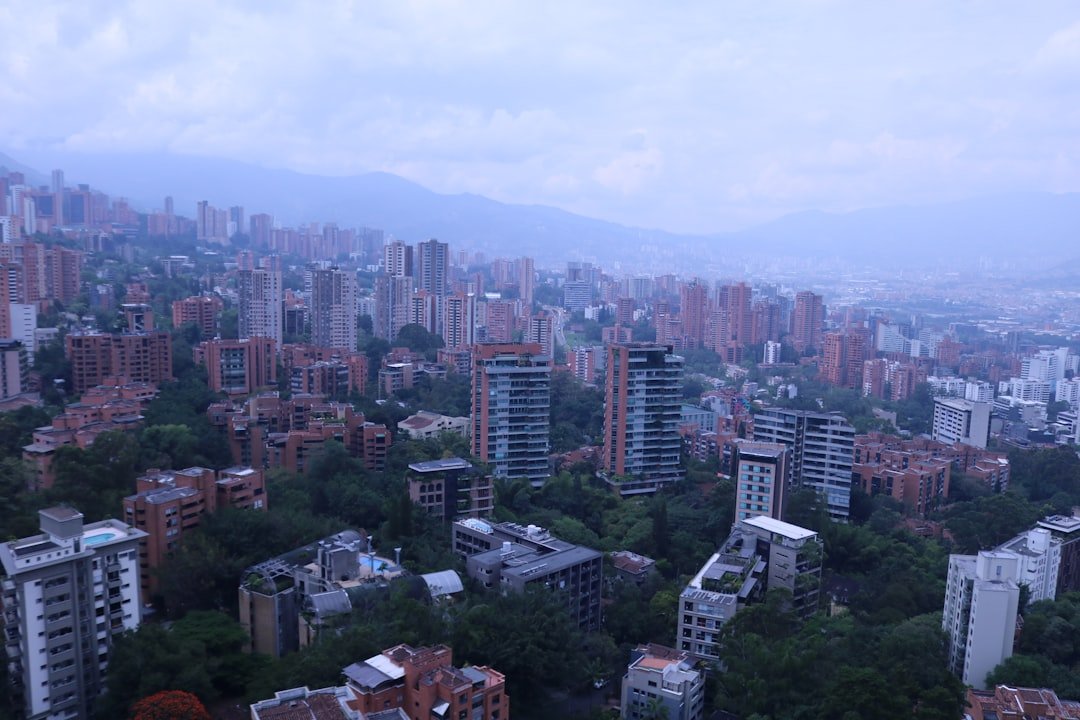
There are somewhere between 8,300 and 15,000 digital nomads arriving in Medellín every single month. Not a year. A month. The city has gone from a notorious 1990s narco-state capital to the unofficial headquarters of the global remote work movement, and the speed of that transformation would be genuinely impressive even without the obvious prior branding problem.
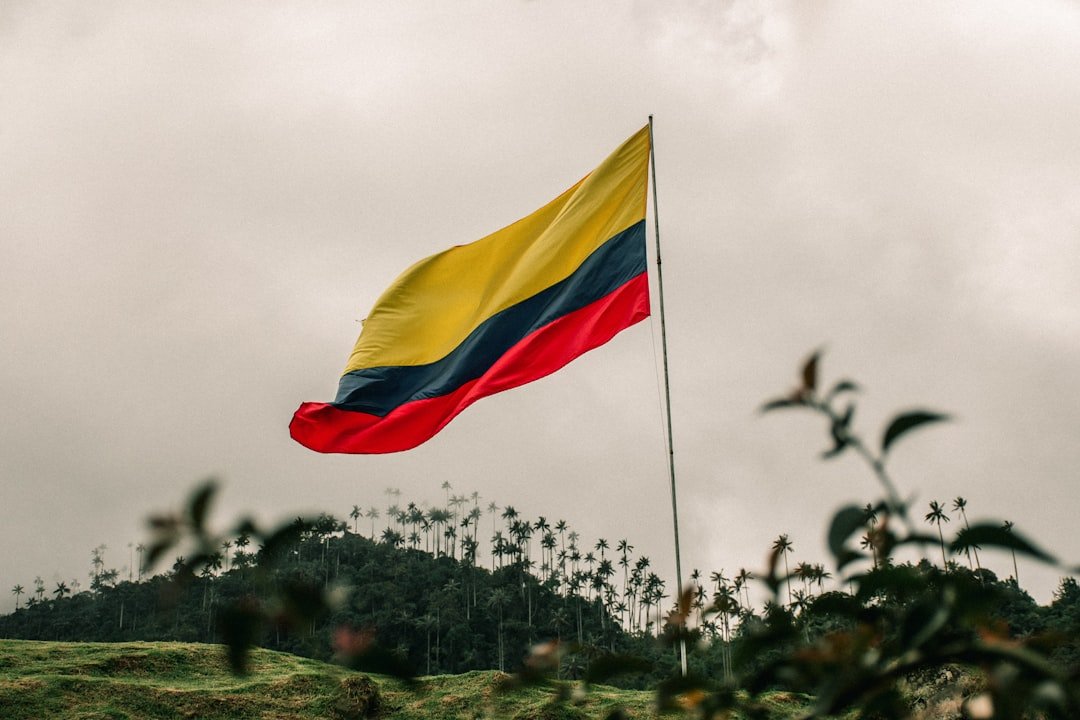
Right now, though, Colombia is at a real inflection point. On May 31, 2026, Colombians elect a new president. Gustavo Petro, the country’s first left-wing president, wraps up his term in August. After four years of minimum wage increases (including a 23.7% jump for 2026), battles with the energy sector, and a rollercoaster relationship with Washington, Colombia is getting a reset. What comes next is genuinely uncertain, and if you’re thinking about a move, an investment, or a long-term digital nomad stay in Colombia, that uncertainty is relevant to your planning.
Petro’s Four Years: What He Left Behind
Petro’s presidency was never dull. The former guerrilla commander governed from the left, which meant businesses got nervous, energy companies got restricted, and the relationship with Washington got complicated. In September 2025, the US revoked Petro’s visa after he participated in a pro-Palestinian protest and made statements that Washington said encouraged American soldiers to disobey orders. By March 2026, the State Department reinstated it — valid only through the end of his term in August.
For expats on the ground, day-to-day life wasn’t dramatically different under Petro. Visas still worked the same way. Medellín kept booming. But the broader economic signals were mixed. Inflation hovered above 6%. The peso appreciated sharply against the dollar in 2025 (up about 15%), which is welcome news for Colombians but less exciting if you’re earning dollars and budgeting in local currency. Rents in El Poblado shot up by as much as 80% in some streets. And the 23.7% minimum wage increase Petro signed for 2026 rippled through everything from restaurant prices to service costs.
The Three People Who Could Run Colombia Next
The May 31 first round features 14 confirmed candidates, but three are polling significantly ahead of the others.
Abelardo de la Espriella is the one getting the most international attention right now. He’s a lawyer, an outsider, and openly models himself on Argentina’s Javier Milei. Far-right economic platform, anti-establishment messaging, and a proposal to shrink the state dramatically and ramp up fossil fuel production. He’s been described by Americas Quarterly as “Colombia’s Bukele” — a populist with authoritarian tendencies but a strong appeal among voters fed up with business-as-usual politics. For foreign investors, a de la Espriella win probably means a more open, industry-friendly climate. For expats worried about political stability, that picture is murkier.
Sergio Fajardo is the centrist candidate and former mayor of Medellín. He transformed the city during his first term (2004–2008), which is partly why the nomad boom exists in the first place. His platform is market-friendly but not extreme. International investors and businesses tend to prefer him. A Fajardo presidency would likely signal continuity, sustained foreign investment, and a more stable regulatory environment for everyone operating in Colombia.
Iván Cepeda is the left’s candidate — a human rights activist and senator within Petro’s ruling coalition. A Cepeda win would likely mean Petro’s policies continue. For energy sector investors and some business owners, that’s a concern. For expats and digital nomads, the practical day-to-day implications are less dramatic. The digital nomad visa, the residency programs, and the basic infrastructure that makes Colombia attractive aren’t tied to any particular ruling party’s ideology.
The election doesn’t stop at the first round. If no candidate clears 50%, there’s a runoff on June 22. The new president takes office August 7. Current polling has de la Espriella and Fajardo leading, with Cepeda close behind. AS/COA’s poll tracker is worth bookmarking if you want to follow the race in real time.

The Medellín Situation Is More Complicated Than Anyone Admits
Here’s what’s actually happening in El Poblado right now: rent has become genuinely expensive by Colombian standards. Expats showing up with American or European salaries are driving short-term rental prices in certain neighborhoods to levels that price out local families. Some residents have started putting up posters in Provenza that read things like “I’ll trade an Airbnb for a neighbor and a home” and “Digital nomads, temporary colonizers.”
This isn’t anti-foreigner sentiment exactly, but it is a sign that the transformation of Medellín has come with real social costs, and the locals aren’t universally celebrating it. A University of New Hampshire study found that landlords in some neighborhoods now prefer renting to foreigners willing to pay above-market rates, pushing some families out entirely.
What this means practically: if you’re planning to base yourself in Colombia long-term, the era of finding a great apartment in El Poblado for $500 a month is over. Just a few neighborhoods away, places like Laureles, Envigado, and Sabaneta still offer genuine value — lower rents, fewer tourists, and a more authentic city experience. The expats who’ve been in Medellín for three-plus years have mostly made this move already.
Bogotá is also worth considering. Larger city, more professional opportunities, lower profile in the nomad community (which is both a downside and an upside depending on your priorities), and a genuinely different lifestyle than Medellín’s eternal spring weather and outdoor culture. If you’re coming for professional work rather than lifestyle, the capital deserves serious consideration alongside Medellín.

Your Actual Options for Staying Legally
Colombia has a clear, well-structured visa system for long-term stays, and the costs are reasonable compared to most countries offering similar programs.
Digital Nomad Visa (Visa V Nómadas Digitales)
Launched in 2023, this is the most relevant option for remote workers. You need to show monthly income of at least three times Colombia’s minimum wage — currently working out to around $1,400 USD per month. The visa itself costs roughly $170 USD, runs for two years, and allows multiple entries. You’ll also need international health insurance and authenticated proof of remote income. One important restriction: you must continue working for foreign employers only. Taking on Colombian clients while on this visa isn’t permitted.
Migrant Visa (Visa M)
If you’re staying longer or want a path toward permanent residency, Migrant Visas cover work, investment, marriage to a Colombian citizen, and retirement categories. These are typically valid for up to three years and can lead to permanent residency (Visa R) after five years of continuous legal stay.
Investor Visa
Colombia’s investment threshold for residency sits at around $150,000 USD. That’s not the cheapest option in Latin America, but Colombia’s economic growth and the transformation of its major cities make it a more compelling investment destination than it was ten years ago. Under a de la Espriella or Fajardo government, investor sentiment toward Colombia would likely improve further.
Tax residency kicks in at 183 days in a 12-month period. Once you cross that threshold, Colombian tax rules may apply to worldwide income, so if you’re planning an extended stay, get proper advice from a Colombian tax professional before committing to a timeline.
What the Election Actually Means for You
The honest answer: probably less than you’d think in the short term.
Colombia’s appeal as an expat destination isn’t primarily political. It’s geographic (spring weather year-round in Medellín, two-to-four-hour flight range to most of South America and the US), economic (dollar and euro still go far even with the recent peso appreciation), cultural (Colombians are genuinely warm to outsiders), and practical (reasonable visa options, excellent coffee, reliable internet in major cities). None of that changes on May 31.
What could shift over time is the investment climate. A de la Espriella win and a move toward deregulation could open up certain sectors significantly. A Cepeda victory and continuation of Petro’s policies may keep energy and real estate investors cautious. Fajardo is probably what most foreign investors are quietly hoping for — pro-growth without the ideological extremism in either direction.
The results won’t be finalized until at least June 22, with the new president taking office August 7. If you’re already in Colombia or planning a move in the next six months, proceed with your plans. The visa system, the digital nomad program, and the basic infrastructure are not going anywhere. If you’re looking at a larger investment that depends on regulatory conditions, waiting until August to see who’s governing before committing is a reasonable call.
Whatever happens on May 31, Medellín will still have the best urban transformation story in Latin America. The coffee will still be excellent. The parks will still be full. And there will still be 8,300 new digital nomads showing up the following month.
If you’re considering Colombia for a long-term move, investment, or residency and want clarity on how your specific situation maps to the available options, reach out for a consultation. You can also explore our global mobility services or check the full blog archive for more country guides.
Disclaimer: Immigration policies change frequently. The information in this article reflects requirements as of March 2026. Always verify current requirements with official government sources or a qualified immigration professional before making decisions.