Here’s a question that keeps popping up in expat forums: is Japan actually livable for foreigners, or is it just a nice place to visit? The short answer is “yes”. The longer answer involves health insurance that costs less than your gym membership back home, trains that apologize for being 20 seconds late, and a country so safe you can leave your laptop on a cafe table while you use the restroom. But it also involves bureaucratic paperwork that will test your patience, a language barrier that doesn’t go away on its own, and some 2026 policy changes that every prospective expat needs to know about.
Japan has roughly 3.4 million foreign residents now, a record high. And while most of the world still pictures Tokyo neon lights and sushi conveyor belts, the reality of living in Japan as an expat is more about ward offices, health insurance cards, and figuring out which trash goes out on which day. Let’s get into what daily life actually looks like when you’re not on vacation.
Healthcare: Better Than You’d Expect, Cheaper Than You’d Believe
Japan’s National Health Insurance (NHI) system is mandatory for all residents, including foreigners staying longer than three months. No exceptions. You sign up at your local ward office right after registering your address, and you’re in.
The cost? If you’ve just arrived and have no prior Japanese income, you’ll pay roughly 20,000 yen per year (about $130 USD). That’s not a typo. Even at higher income levels, premiums stay reasonable: around 400,000 yen annually at 4 million yen income, and about 940,000 yen at 8 million yen income. Your employer splits the cost 50/50 if you’re on Employee Health Insurance (Shakai Hoken) instead of NHI.
Coverage is broad. Doctor visits, hospital stays, surgeries, prescriptions, basic dental, X-rays, lab tests… the insurance pays 70%, you pay 30%. For comparison, that 30% copay on a standard doctor visit in Japan runs about 3,000 to 5,000 yen ($20-33 USD). Try getting out of an American urgent care for that.
The quality of care is high. Japan has more hospital beds per capita than almost any other country, and wait times for most non-specialist appointments are short. The catch? Language. Most doctors outside major urban areas don’t speak English. Hospitals in Tokyo, Osaka, and other big cities often have international departments or interpreters, but if you’re in rural Nagano, bring a translation app or a Japanese-speaking friend.
One critical 2026-2027 change to know: starting June 2027, foreign residents with unpaid NHI premiums or national pension contributions will be denied visa renewals. This was formally announced by Health Minister Ueno Kenichiro in November 2025. Pay your premiums. This isn’t optional anymore in any practical sense.
Also new as of December 2025: your My Number Card now works as your health insurance card at clinics and hospitals. One less card in your wallet.
Safety: The Numbers Are Almost Absurd
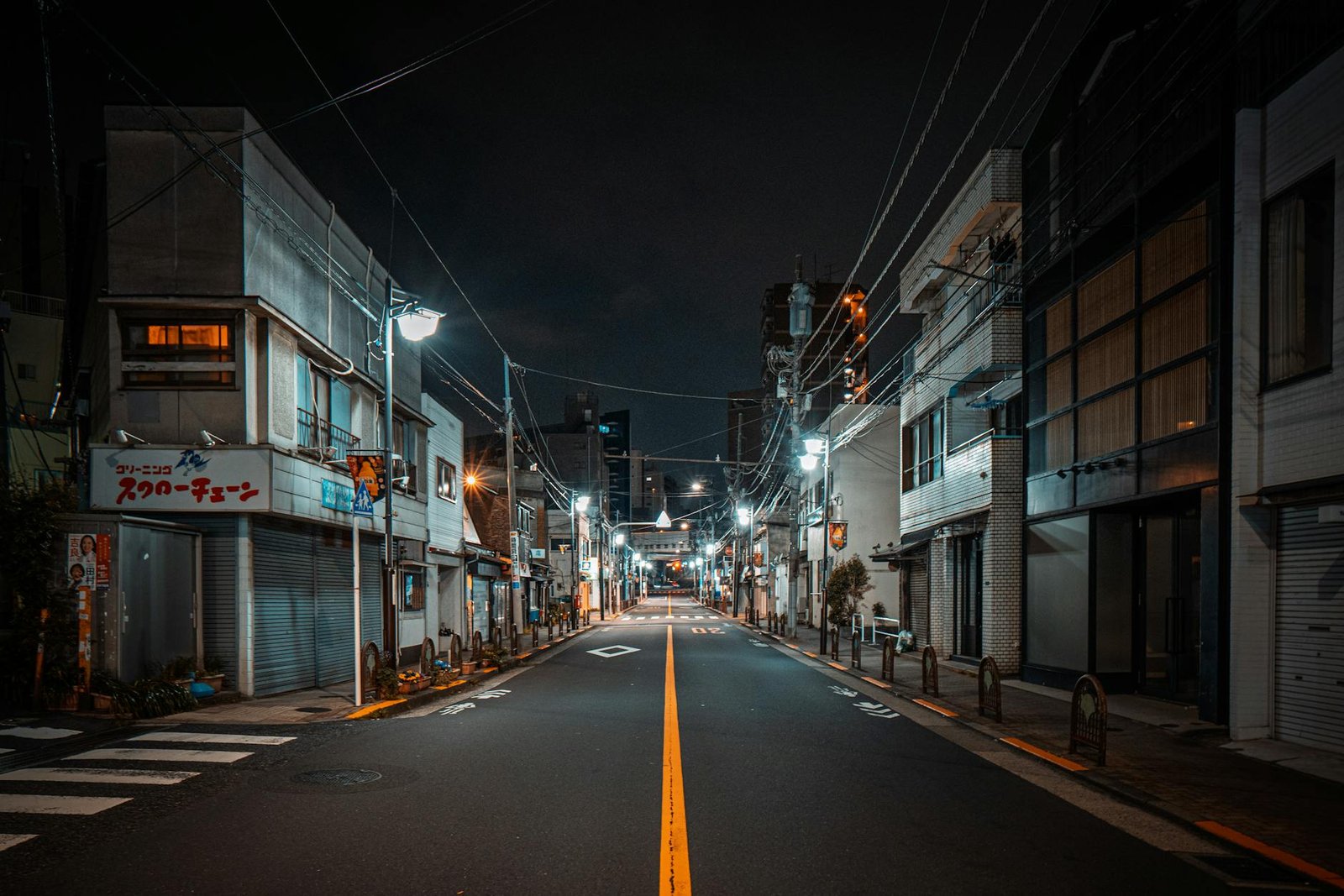
Japan holds a Level 1 travel advisory from the U.S. State Department, the lowest possible rating. Tokyo is consistently ranked among the safest major cities in the world. You can walk alone at 3 AM in most neighborhoods without a second thought. Children ride the subway to school by themselves starting around age six. People leave bags and phones on restaurant tables to hold their seats.
The statistics back up the reputation. Violent crime is exceptionally rare by Western standards. Theft exists but tends to be petty, and even that is uncommon. Japan recorded about 774,000 total criminal offenses in 2025, which sounds like a lot until you realize that’s for a country of 125 million people. For context, New York City alone (population 8.3 million) had over 120,000 reported felonies in a single year.
That said, the picture isn’t completely static. Crime has been ticking up slightly for four consecutive years post-pandemic, though from such a low baseline that Japan remains extraordinarily safe by global standards. The bigger concern for foreigners isn’t street crime but fraud. Investment scams, romance fraud through social networks, and pre-arrival scams targeting incoming expats surged in 2024-2025, with financial losses from these schemes jumping 178.6%. So yes, walk around at night without worry, but be skeptical of unsolicited investment opportunities and too-good-to-be-true deals online.
A newer phenomenon worth mentioning: “tokuryu” anonymous criminal networks that operate through encrypted messaging apps. These groups occasionally recruit foreign residents for low-level roles (receiving packages, making deliveries) without disclosing the criminal nature of the work. If someone offers you easy money for vague tasks, walk away.
Public Transit: The Gold Standard by a Long Shot
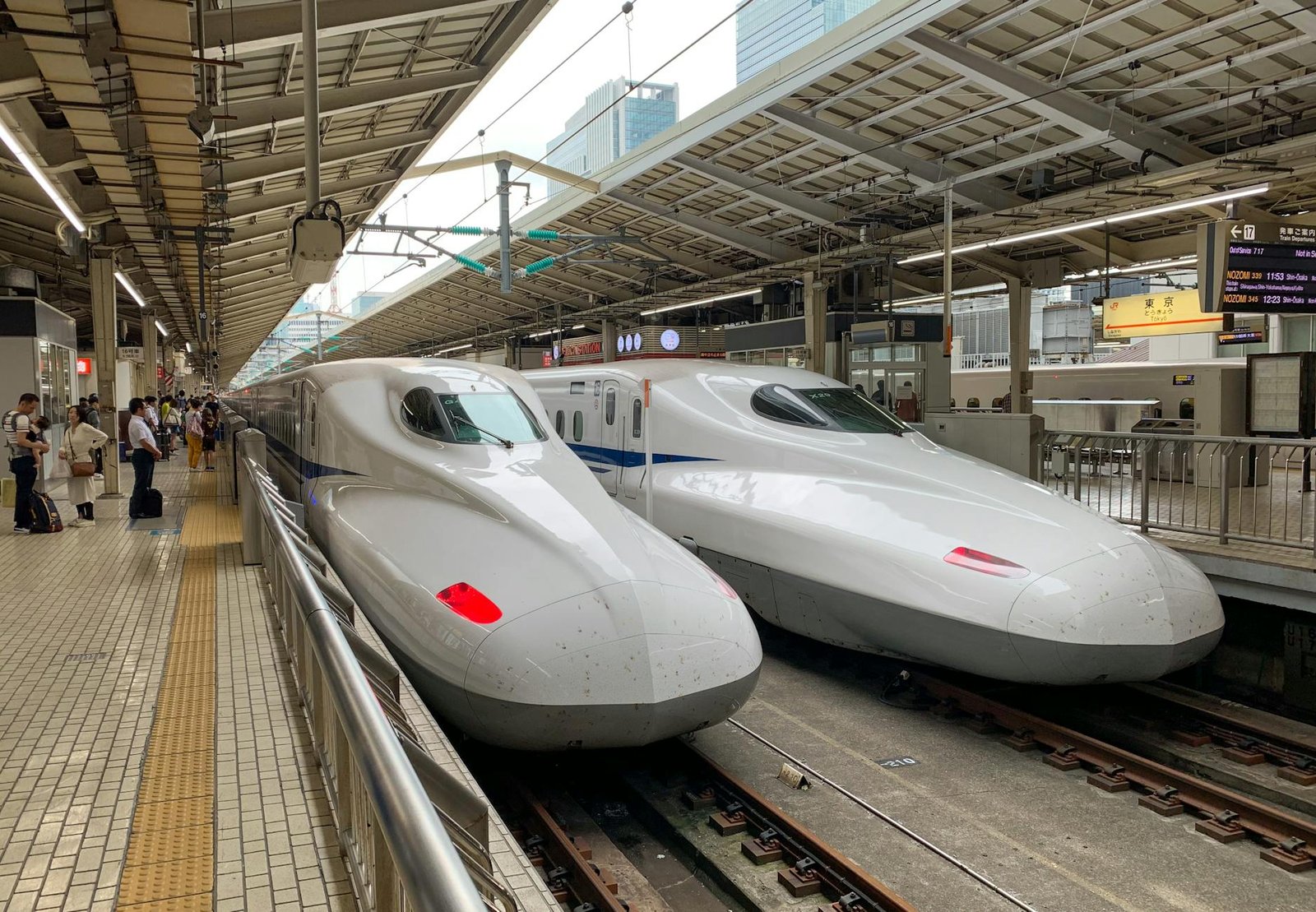
If you’ve only experienced public transportation in American cities, Japan’s system will feel like time travel. Trains run on schedule to the second. The Shinkansen (bullet train) network connects major cities at speeds up to 320 km/h. Local trains, subways, and buses blanket urban areas so thoroughly that most residents in Tokyo, Osaka, Yokohama, and other major cities don’t own cars.
For daily life, you’ll want an IC card (Suica, Pasmo, or Icoca depending on your region). These rechargeable smart cards work on virtually all trains, subways, and buses nationwide, plus convenience stores, vending machines, and many shops. A Suica card costs 1,000 yen to start, including a 500-yen refundable deposit. Tap in, tap out. Done.
Commuting costs are real but manageable. A typical monthly commuter pass (teikiken) between two stations might run 10,000 to 20,000 yen depending on distance. Most employers reimburse commuting costs, which is standard practice in Japan. If you’re self-employed or working remotely, you can skip the pass and pay per ride.
Outside Tokyo, the system is still excellent in other major cities but thins out in rural areas. If you’re planning to live in the countryside, you’ll likely need a car. But in any city of 500,000+ people, public transit alone will get you everywhere you need to go.
New for 2026: contactless credit and debit card payments are rolling out across the transit network. The days of needing a specific IC card are numbered, though they’ll remain the most convenient option for regular commuters.
One thing that surprises most newcomers: the system is navigable without Japanese. Station signs are in English (and often Chinese and Korean), Google Maps routes work perfectly with Japanese transit, and announcements on major lines are bilingual. You won’t get lost.
Daily Infrastructure: The Small Things That Add Up
Internet in Japan is fast and cheap. Fiber optic connections are standard in most apartments, with speeds routinely hitting 1 Gbps for around 4,000 to 5,000 yen per month ($26-33 USD). Japan is a global leader in fiber infrastructure, and it shows. Remote workers will have zero complaints about connectivity.
Banking is where things get interesting. Opening a bank account as a foreigner used to be relatively straightforward, but banks tightened their Know Your Customer procedures through 2025 and into 2026 due to rising fraud. Japan Post Bank remains the most accessible option for new arrivals. After six months of residency, online banks like Rakuten and Sony Bank offer better digital experiences and English-language apps. Expect the process to take a couple of visits and some patience.
The postal system is world-class. Japan Post operates 24,000 offices across the country, domestic mail typically arrives within 1-2 days within the same region, and package delivery services (especially Yamato Transport’s Takkyubin) are borderline magical. You can schedule deliveries to 2-hour windows, redirect packages to convenience stores, and even get same-day delivery in urban areas.
Bureaucracy, though… this is where Japan earns its reputation. Ward office visits for address changes, health insurance, pension enrollment, and other administrative tasks are thorough and process-heavy. Forms are predominantly in Japanese. Some ward offices in areas with large foreign populations have multilingual staff, but many don’t. Budget time for these visits and bring all your documents (residence card, passport, My Number card, proof of address). The new Specified Residence Card launching June 14, 2026, which combines the Residence Card and My Number Card into one document, should simplify things somewhat.
Trash sorting deserves its own mention because it will consume more of your mental energy than you’d expect. Different municipalities have different rules, but you’ll typically need to separate: burnable waste, non-burnable waste, recyclable plastics, PET bottles, glass, cans, newspapers, cardboard, and oversized items. Each category has a designated pickup day. Your neighbors will notice if you get it wrong.
Visa Options: How You Actually Get to Stay
You need a visa that lets you stay long enough to experience all of this. Here are the main pathways for 2026:
Digital Nomad Visa (Designated Activities): 6 months, requires 10 million yen annual income ($65,000 USD) and travel health insurance. Big limitation: you don’t get a Residence Card, which makes banking, apartment leasing, and getting a phone number significantly harder. Think of this as an extended trial period, not a real relocation visa.
Highly Skilled Professional (HSP) Visa: Points-based system evaluating education, work experience, salary, and age. Score 70+ points and you can apply for permanent residency after just 3 years. Score 80+ and it drops to 1 year. This is the fast track and Japan is actively promoting it through the J-Skip and J-Find programs.
Engineer/Specialist in Humanities/International Services: The standard work visa for most foreign professionals. Requires employer sponsorship. Valid for 1, 3, or 5 years with renewals.
Business Manager Visa: For entrepreneurs, but the rules changed significantly in October 2025. You now need 30 million yen in investment capital (up from 5 million), at least one full-time local employee, and JLPT N2 level Japanese proficiency. This effectively closed the door for most small-scale foreign entrepreneurs.
Important fee changes: visa renewal fees are climbing to 30,000-40,000 yen, and permanent residency applications may cost up to 100,000 yen starting in fiscal 2026. Naturalization now requires 10 years of residence, up from the previous more flexible standard.
The Honest Bottom Line
Living in Japan as an expat works. It works really well, actually. The healthcare is affordable and competent, the safety is unmatched, the transit system makes car ownership optional, and the daily infrastructure is built to a standard that most countries can only aspire to. Japan’s internet is blazing fast, packages arrive when they say they will, and the convenience store on every corner sells surprisingly good food at 2 AM.
The trade-offs are real, though. The language barrier doesn’t dissolve just because you live there. Bureaucracy requires patience and preparation. The 2026-2027 policy shifts (higher visa fees, stricter Business Manager requirements, NHI compliance tied to visa renewals) signal that Japan wants skilled, compliant foreign residents, not casual visitors overstaying their welcome.
If you’re seriously considering the move, start with the right visa pathway and plan your first six months carefully. Get your health insurance sorted on day one, open a bank account as soon as you can, and learn at least basic Japanese. The systems are there to support you once you’re in them. Getting into them is the part that takes effort.
Thinking about relocating to Japan or exploring other expat-friendly countries? Get in touch with us for personalized guidance on visas, residency, and setting up your life abroad. You can also browse our latest articles on global mobility destinations.
—
Immigration policies change frequently. The information in this article reflects requirements as of April 2026. Always verify current requirements with official government sources or a qualified immigration professional before making decisions.