Panama runs on the US dollar. It has no income tax on money earned outside the country. Getting permanent residency can take as little as two to four months. And yet somehow it still flies under the radar compared to Portugal, Mexico, and the usual suspects on every expat listicle.
That’s starting to change though as Panama City has grown into a genuinely modern metropolis with infrastructure that puts a lot of Western cities to shame, while the cost of living remains low enough that a solid lifestyle costs a fraction of what you’d spend in Miami or Madrid. If you’ve been researching where to plant a second flag or make a permanent move, Panama deserves more than a passing mention.
Here’s what actually matters for Panama residency in 2026, including the two main pathways, what you’ll realistically spend each month, and the tax angle that makes Panama unusually interesting for anyone earning income from abroad.

The Tax Situation (This Is the Part Worth Understanding)
Panama uses a territorial tax system. In plain terms: only income generated inside Panama gets taxed. Income earned from outside Panama — a remote salary, freelance clients in another country, a pension, investment returns from abroad — is completely exempt from Panamanian income tax.
For the average American, European, or anyone else who earns remotely or lives off investments, this means you could become a legal Panamanian resident and owe Panama exactly nothing in income tax on your foreign earnings. The rates that do apply to Panama-source income are 0% up to $11,000, 15% from $11,001 to $50,000, and 25% above that. The VAT is 7%. There’s no wealth tax, no estate tax, no gift tax.
Worth being clear: US citizens still file with the IRS regardless of where they live. That’s a US rule, not Panama’s. But the Foreign Earned Income Exclusion can eliminate or dramatically reduce your federal tax bill if you qualify as a bona fide resident. Panama’s territorial tax setup doesn’t conflict with that strategy — it enables it.
Panama also has double taxation treaties with Spain, France, Italy, and several other countries, which matters depending on where you’re coming from.

The Friendly Nations Visa: Residency for Workers and Investors
The Friendly Nations Visa (FNV) is Panama’s residency program for citizens of over 50 countries it maintains friendly relations with. The list includes the United States, Canada, United Kingdom, Australia, Germany, France, and most of Western Europe, among others.
To qualify, you need to show economic or professional ties to Panama. There are three ways to do this:
- Employment with a Panamanian company: Requires a valid work permit from Panama’s Ministry of Labor and a registered labor contract. This is the option for people relocating for local work.
- Real estate ownership: Purchase Panamanian property worth at least $200,000. The purchase can be financed locally. This is the most popular route for people buying into Panama City or beach communities.
- Fixed-term bank deposit: Deposit at least $200,000 in a Panamanian national bank, with a minimum three-year term, free of encumbrances.
Processing takes two to four months once you submit a complete application. The path goes: provisional residency (valid two years), then permanent residency after demonstrating continued compliance. After five years of legal residency, you’re eligible to apply for Panamanian citizenship — which comes with a passport granting visa-free access to over 140 countries.
There’s no annual minimum stay requirement after you have residency, but you need to enter Panama at least once every two years to maintain your status. For a lot of people, that’s barely a constraint.
Documents you’ll need: valid passport (6+ months remaining), a second valid ID, a criminal background check from your home country (apostilled and authenticated, issued within the last six months), proof of economic ties, and standard immigration forms. Dependents — spouse, children under 25, parents — can all be included on the same application.
The Pensionado Visa: Possibly the Best Retiree Program on Earth
If you have a lifetime pension of any kind — government, military, corporate, Social Security — Panama’s Pensionado visa is worth knowing about. The income threshold is low, the benefits are substantial, and you get immediate permanent residency.
The requirement: $1,000 per month in pension income, verified as lifetime guaranteed. If you own Panamanian real estate worth over $100,000, the threshold drops to $750 per month. Each dependent adds $250 per month to the required minimum.
Once approved, you’re a permanent resident. The visa doesn’t expire with your age or require renewal. And the benefits that come attached are genuinely unusual:
- Up to 50% off entertainment (movies, concerts, sporting events)
- 25% off restaurant meals
- 25% off utility bills
- 20% off medical consultations and prescriptions
- No import tax on household goods when you first move
- No import tax on a new car, once every two years
- 50% off closing costs on a first home purchase
To maintain status, you need to spend at least 30 days in Panama per calendar year. That’s genuinely it — less than one month. For anyone splitting time between countries, that’s easy to meet.
Panama’s healthcare quality is another factor retirees mention consistently. Panama City has internationally accredited hospitals and medical costs run a fraction of US prices. For anyone factoring healthcare into a relocation decision, that matters considerably.
What Life Actually Costs
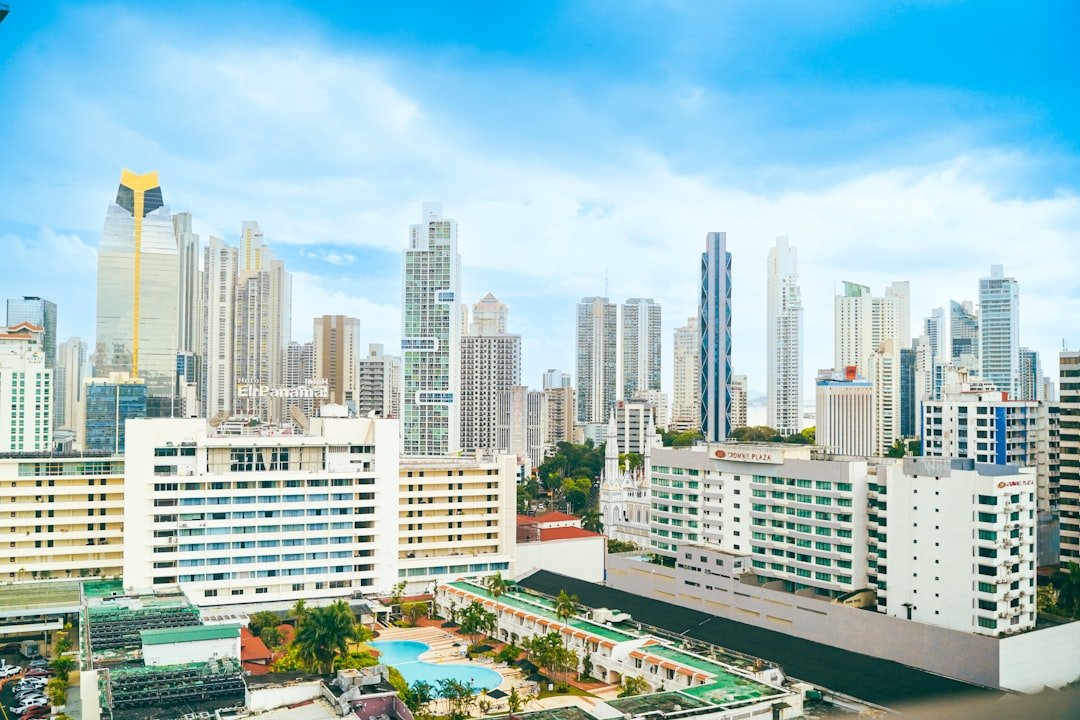
Panama City isn’t the cheapest place in Latin America anymore. That ship sailed around 2018 when the city finished its metro system and prices adjusted accordingly. But it’s still dramatically more affordable than any comparable city in North America or Western Europe.
For a single person living in an expat-friendly neighborhood like El Cangrejo, Marbella, or Costa del Este:
- Rent: $800 to $1,500 for a comfortable one-bedroom. A nicer place with an ocean view runs $1,500 to $2,100.
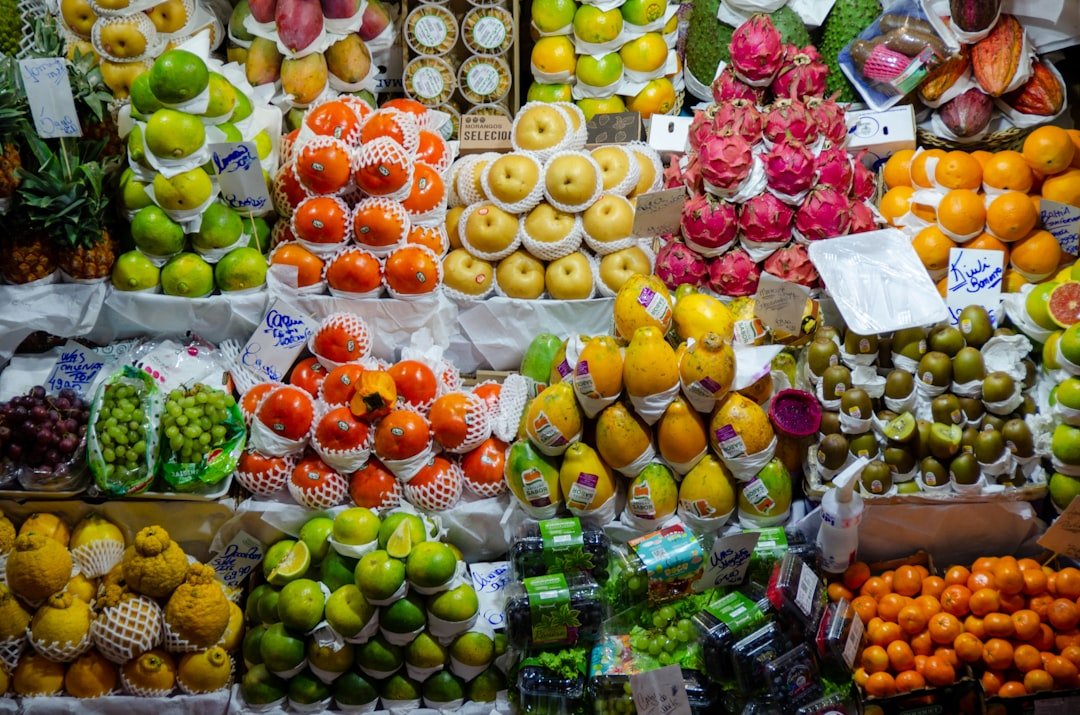
- Food: Local markets have cheap, fresh produce. A full meal at a local restaurant costs $5 to $7 for a set menu including soup, main course, and a drink. Upscale dining ranges $20 to $40 per person.
- Transportation: The metro is $0.35 per ride. Ubers are cheap by any standard. You don’t need a car to live well in Panama City.
- Utilities: $60 to $120 per month for a standard apartment, depending on AC use.
Total comfortable monthly budget for a single person: $1,500 to $2,500. A couple living well: $2,500 to $3,500. These aren’t austerity figures — this covers a comfortable modern apartment, eating out regularly, and having an actual social life.
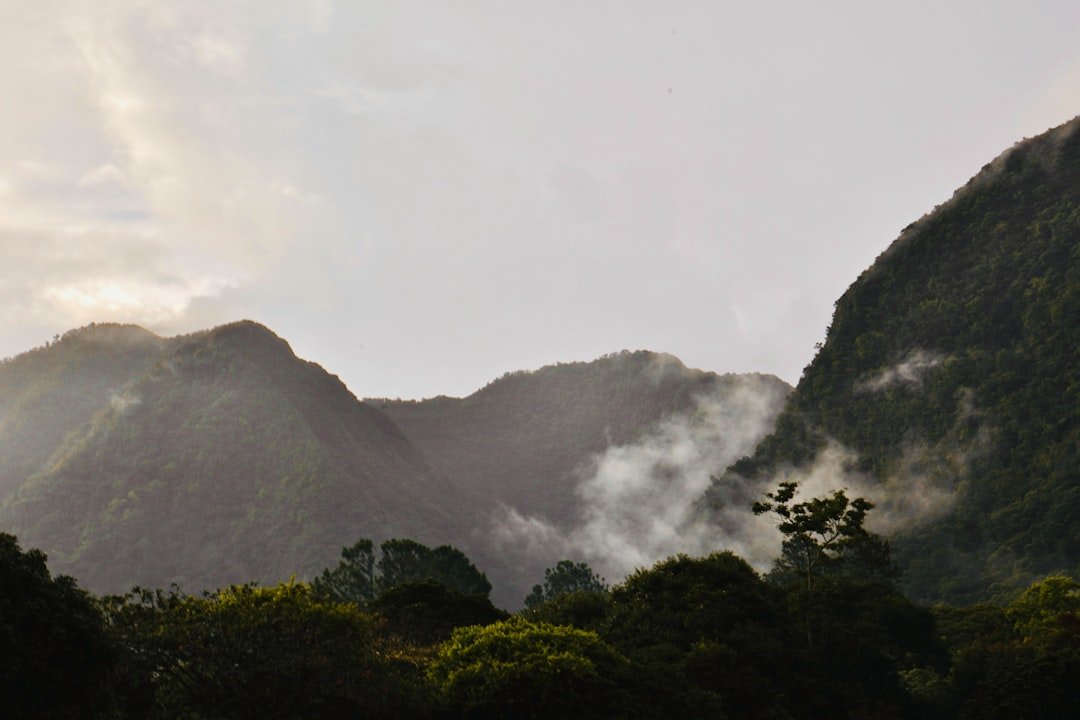
For those who prefer a slower pace, Boquete in the highlands is a popular choice among retirees and remote workers. It’s cooler, greener, and about 26% cheaper than Panama City on everyday expenses. Rental prices run roughly 27% lower than the capital. If you’ve ever heard someone say they “moved to Panama” and imagined beach sunsets but then saw photos of rolling green hills and a misty mountain town, they were probably in Boquete.
A Few Things Worth Knowing Before You Go
Panama uses US dollars as its official currency. The Balboa technically exists as the local unit but is pegged 1:1 to the dollar and only circulates as coins. For practical purposes, you’re spending dollars. No exchange rate math, no ATM surprises, no conversion fees.
Banking for residents is accessible. Opening a local account once you have residency is straightforward. This matters if you’re using the $200,000 deposit route for the Friendly Nations Visa, or if you simply want a local account for daily life.
Spanish is the official language. Panama City has a large English-speaking expat community and most business in the financial district happens in English, but learning conversational Spanish makes daily life substantially easier. Locals are generally warm toward expats.
The immigration process requires a local Panamanian attorney. This isn’t unusual bureaucracy — it’s how the system is structured. Budget $1,500 to $3,000 in legal fees depending on the complexity of your application. That’s a real cost, but it’s a one-time investment for permanent legal residency in a country that taxes none of your foreign income.
Citizenship after five years is a genuine option, not a theoretical one. Panama doesn’t require you to renounce your existing citizenship, though you should check your home country’s rules on dual nationality before starting the process.
Getting Started
If you’re seriously considering Panama, the first step is verifying your country is on the Friendly Nations list (most Western countries are) and identifying which qualifying pathway fits your situation. For most people who aren’t retirees with a pension, the real estate route is the most accessible — $200,000 gets you into the Panama City market, the property holds value, and you satisfy the residency requirement simultaneously.
Retirees with any kind of guaranteed pension income should look at the Pensionado program first. The bar is low ($1,000/month), the benefits are immediate and substantial, and the residency is permanent from day one.
Either way, engaging a Panamanian immigration attorney early saves headaches. The process is well-worn by global mobility standards, but local legal guidance keeps documentation errors from adding months to your timeline.
If you want to think through how Panama fits into a broader residency strategy — whether that’s tax optimization, a second flag, or a full relocation — that’s exactly the kind of planning work Flare International Solutions does. Browse our other country guides and expat resources, check our relocation services, or reach out through the contact page.
References
- Panama Friendly Nations Visa 2026: Requirements, Eligible Countries, Costs & Process
- Panama Pensionado Visa Guide 2026 — Global Citizen Solutions
- Panama — Individual Taxes on Personal Income — PwC Tax Summaries
- Cost of Living in Panama — Numbeo (Updated March 2026)
- Cost of Living Panama: What to Expect in 2025-2026 — iGo Panama
- Taxes in Panama: Foreign Residents & Tax-Friendly Options 2026 — Live and Invest Overseas
- Panama Pensionado Visa Requirements (2026 Update Guide)
Disclaimer: Immigration policies change frequently. The information in this article reflects requirements as of March 2026. Always verify current requirements with official government sources or a qualified immigration professional before making decisions.