

On April 1, 2026, the Portuguese Parliament voted to double the residency requirement for citizenship. From five years to ten. Just like that.
The vote wasn’t close, either. 152 in favor, 64 against, one abstention. A two-thirds supermajority. The kind of margin that doesn’t leave much room for “well, maybe they’ll walk it back.”
If you’re someone who moved to Portugal, or invested through the Golden Visa, or retired on a D7, or just started planning your European life around that sweet five-year-to-passport timeline… this changes the math. Dramatically. And yet, as of today, the law isn’t actually in effect. Which makes the whole situation both urgent and oddly suspended in mid-air.
Here’s what actually happened, what it means for different types of residents, and what you should (and shouldn’t) panic about.

What Portugal’s Parliament Actually Approved
The revised Nationality Law rewrites the core citizenship-by-naturalization rules. The headline change is the residency requirement, but there’s more underneath it.
The New Residency Timeline
- 10 years of legal residence for most foreign nationals (up from 5)
- 7 years for citizens of CPLP countries (Brazil, Angola, Mozambique, Cape Verde, etc.) and EU nationals
That’s not a tweak. That’s a fundamental restructuring of the citizenship pathway. Portugal was one of the fastest routes to an EU passport in Europe, and this reform brings it much closer to the European average.
How Residency Time Gets Counted
This is the detail that trips people up. Under the new rules, your qualifying period starts from the date your first residence card was issued, not the date you submitted your application. If you applied in 2022 but didn’t receive your card until 2024 (thanks, AIMA backlog), your clock starts in 2024.
For Golden Visa holders who’ve been stuck in the notorious AIMA processing queue, this is a bitter pill. The system’s delays now compound into a longer wait for citizenship.
New Requirements Beyond Residency
- A2-level Portuguese language proficiency (this was already required, unchanged)
- A civic knowledge test covering Portuguese culture, history, rights, and duties (this is new)
- A formal declaration of adherence to democratic principles
- Criminal record threshold reduced to 3 years of effective imprisonment (down from the previous threshold, applied to terrorism, organized crime, crimes against the state, and violent crimes)
- Proof of sufficient means of subsistence
- No UN or EU sanctions
The civic knowledge test is the addition that will catch people off guard. There are no published details yet on format, content depth, or availability in languages other than Portuguese. It could end up being a rubber stamp, or it could become a genuine hurdle. Nobody knows yet.
Other Changes
The Sephardic Jewish ancestry route to citizenship has been terminated. And there’s a new provision allowing loss of nationality in cases involving conviction for serious crimes.
For children born in Portugal to foreign parents, the rules also tightened. CPLP-nation parents must have been legal residents for at least three years before the birth. For all other nationalities, it’s four years. The child must also be enrolled in and regularly attending compulsory schooling.
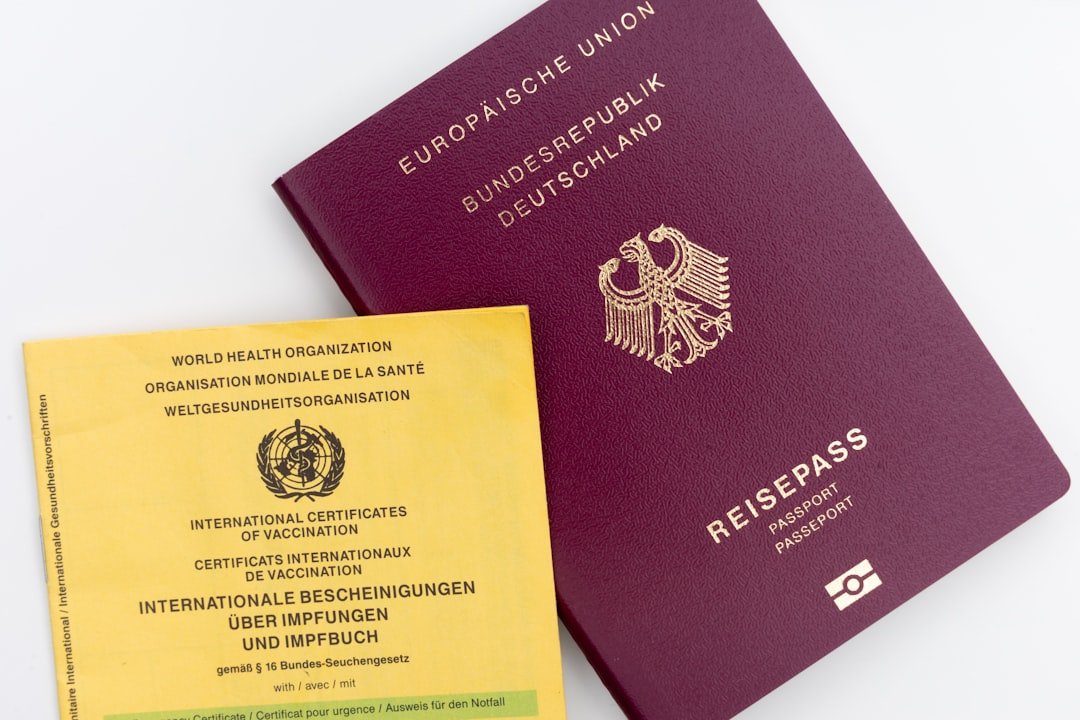
Why This Happened (The Backstory Matters)
This didn’t come out of nowhere. The Portuguese government, under Prime Minister Luis Montenegro’s center-right coalition, first proposed tightening the nationality law in 2025. Parliament approved an initial version in October 2025, and it was sent to the President’s desk.
Then things got complicated.
The Socialist Party (PS), instead of waiting for the President to act, sent the law directly to the Constitutional Court for preventive review. On December 15, 2025, the Court handed down its ruling and found four provisions unconstitutional:
- An automatic bar to nationality based on criminal sentences above a threshold (too rigid, the Court said)
- Vague concepts like “manifest fraud” affecting nationality consolidation
- Provisions allowing nationality cancellation based on undefined notions of “rejection of the national community”
- A rule that would have assessed pending citizenship applications based on requirements at the time of decision rather than at the time of filing (retroactive, the Court said)
That last point is the one that matters most to people already in the system. The Constitutional Court explicitly said you can’t just change the rules on people who already applied under the old framework.
Parliament went back, revised the text, and voted again on April 1, 2026. The revised version passed with a comfortable two-thirds majority. The criminal conviction threshold was adjusted to 3 years, the vague language was cleaned up, and the retroactivity problem was (at least in theory) addressed.
Is It Actually Law Yet?
No. And this is the part that makes everyone’s head spin.
Parliament approved the revised text. It is now sitting on the desk of President Antonio Jose Seguro, who has three options:
- Sign it into law (promulgate it). It would then be published in the Diario da Republica and typically take effect 30 days later.
- Veto it and send it back to Parliament.
- Refer it to the Constitutional Court for another round of review.
Until the President acts and the law is published, the current five-year citizenship rule remains in effect. Nothing has changed on paper yet.
But “nothing has changed yet” is different from “nothing will change.” The two-thirds majority means Parliament could override a presidential veto. The political momentum is clearly moving toward tighter rules. The question isn’t really if this becomes law, it’s when and whether any last-minute amendments soften the edges.

What This Means for Golden Visa Holders
If you’re holding a Golden Visa and worrying about your investment going sideways… take a breath. Your residency rights are completely untouched. The Golden Visa program itself has not changed. You can still renew, travel within Schengen, bring family members, and enjoy all the residency benefits you signed up for.
The change is exclusively about the path from residency to citizenship. If (or when) this law takes effect, your timeline to a Portuguese passport extends from roughly year 5 to year 10.
Here’s how the revised Golden Visa timeline looks:
- Year 0: Golden Visa issued (valid 2 years)
- Year 2: First renewal (valid 2 more years)
- Year 4: Second renewal (valid 2 more years)
- Year 5: Eligible for Permanent Residency (PR)
- Year 10: Eligible for citizenship application
That five-year gap between PR eligibility and citizenship eligibility is new. And it creates a strategic consideration that didn’t exist before: should you convert to Permanent Residency at year 5, even though citizenship is still five years away?
The answer, for most people, is probably yes. PR gives you an independent permit (not tied to the investment), allows you to liquidate your qualifying investment if you want, and puts each family member on their own card. That last point matters a lot for families with children approaching age limits, because staying on the Golden Visa renewals keeps everyone dependent on the primary applicant.
What About D7, D2, and Other Visa Holders?
Same story. If you’re on a D7 (passive income/retirement visa), D2 (entrepreneur visa), D1 (work visa), D3 (highly qualified activity), or any other D-category visa, your residency rights are completely unaffected.
The change only applies to naturalization requirements. Your right to live in Portugal, work, access public services, and renew your permit remains exactly as it was.
You can still apply for Permanent Residency after five years of legal residence, provided you meet the standard requirements (A2 Portuguese, sufficient financial means, clean criminal record, proof of accommodation).
Already Applied for Citizenship? Here’s the Good News.
If you submitted a complete citizenship application under the current five-year rule before the new law takes effect, your application is expected to proceed under the old framework.
The Constitutional Court was very clear on this in its December 2025 ruling. Retroactive application of the new timeline to pending cases was declared unconstitutional. The Court said you can’t just change the rules for people who already applied under the existing system without proper notice or safeguards.
That said, the absence of a detailed transitional clause in the approved text is concerning. Parliament removed the problematic retroactivity provision, but they haven’t published explicit grandfathering rules either. The expectation, based on the Court’s ruling and legal expert commentary, is that pending applications will be honored. But until the final regulations are published, there’s an uncomfortable gray zone.
If you’re approaching the five-year mark and haven’t submitted your citizenship application yet… the clock is ticking. There’s a strong argument for filing before the new law takes effect, even if your documentation isn’t perfectly polished.
The Bigger Picture: Why Portugal and Why Now
Portugal isn’t doing this in a vacuum. Across Europe, there’s a visible tightening trend in immigration and citizenship rules. Spain just opened a massive regularization amnesty, but that’s the exception proving the rule. France, Germany, and the Netherlands have all moved toward stricter integration requirements. The EU’s Entry/Exit System just went live, adding biometric tracking for all non-EU travelers.
Portugal’s five-year-to-citizenship path was always an outlier in Europe. Most EU countries require 8-10 years. This reform brings Portugal in line with that norm, even if the political messaging frames it as a sovereignty and integration issue rather than a competitive positioning one.
The government’s stated rationale is strengthening “effective ties to the national community.” The civic knowledge test, the declaration of democratic principles, the tighter criminal record screening… these are all about making citizenship feel more earned and less automatic. You can agree or disagree with the politics, but the trend is unmistakable.
For the global mobility world, this means Portugal’s competitive advantage as a fast-track EU citizenship route is diminishing. It remains an excellent place to live, invest, and hold residency, but the passport is no longer the quick win it used to be. If a fast EU citizenship is your primary goal, you’ll need to look at alternatives, and there aren’t many good ones left.
What You Should Do Right Now
Depending on where you are in your Portugal journey, here’s a practical breakdown:
If you already have 5+ years of residence and haven’t applied for citizenship: File now. Before the new law takes effect. Get your application in under the current rules. Talk to your immigration lawyer this week, not next month.
If you’re approaching the 5-year mark: Same advice. Accelerate your timeline. Get the A2 language certification done, gather your documents, and be ready to submit the moment you’re eligible.
If you’re a newer resident (1-3 years): Accept that your path to citizenship will likely be 10 years. Plan accordingly. The good news is that Permanent Residency at year 5 still gives you enormous benefits, including the right to live and work anywhere in Portugal without visa renewals.
If you’re considering investing in Portugal now: The Golden Visa is still a strong residency product. Just know that citizenship isn’t a 5-year proposition anymore. If the passport was your primary motivation, recalculate. If residency, lifestyle, and Schengen access are enough, Portugal remains compelling.
If you’re a CPLP national (especially Brazilian): Your 7-year timeline is still shorter than the general 10-year rule, but it’s a significant increase from 5. The same urgency applies: if you can file under the current rules, do it.
The Bottom Line
Portugal just told the world that its passport is going to be harder to get. Not impossible, not closed off, just slower. The residency programs are intact. The quality of life isn’t going anywhere. The Algarve still has good weather and reasonably priced wine.
But the five-year dream? That’s fading. And if you’re in a position to lock in the old rules before the President’s pen hits paper, this is not the time to procrastinate.
The law is sitting on the President’s desk. He could sign it tomorrow. He could send it back for another round. Nobody knows. What we do know is that 152 members of Parliament already voted yes, and the political will for this reform isn’t going away.
Want help figuring out where you stand? Get in touch with us and we’ll walk through your specific situation.
—
Immigration policies change frequently. The information in this article reflects requirements as of April 2026. Always verify current requirements with official government sources or a qualified immigration professional before making decisions.