
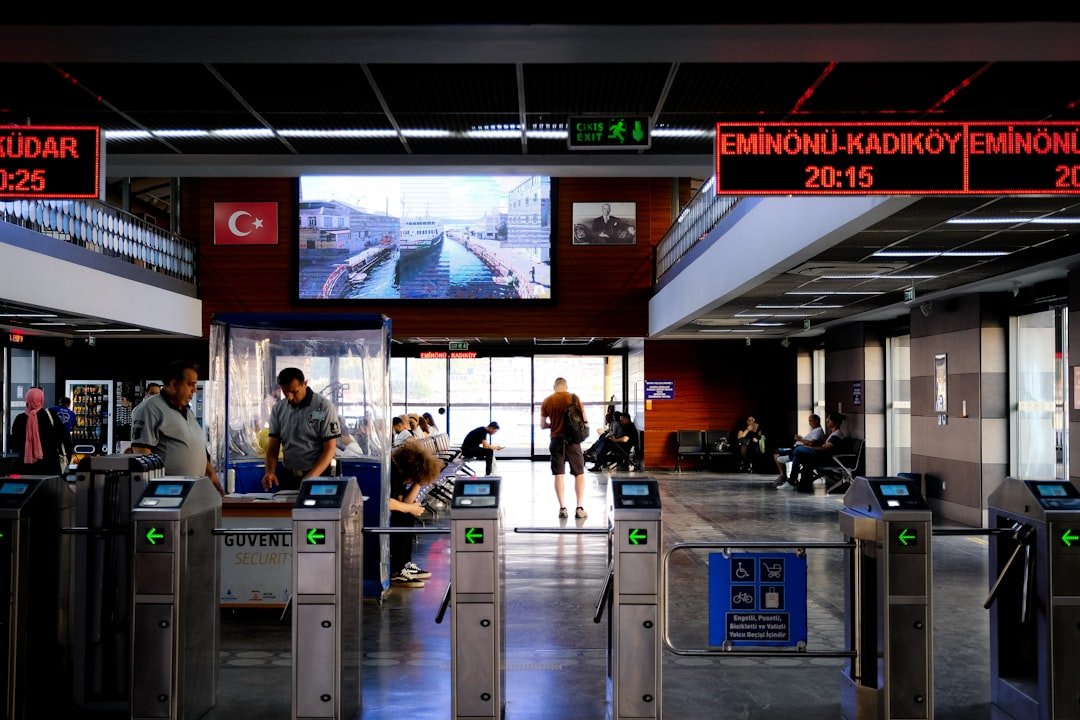
The passport stamp is dying. After roughly a decade of false starts, budget overruns, and enough bureaucratic hand-wringing to fill a Tolstoy novel, Europe’s Entry/Exit System finally goes fully live on April 10, 2026. Every single one of the 29 participating countries. No more phased rollouts, no more “we’ll get to it next quarter.” Done.
If you’re a non-EU citizen who travels to Europe… this changes how you cross the border. Period. And if you’re someone who’s been quietly stretching the 90/180-day rule, hoping nobody was really counting? The computer is counting now.
Here’s what you actually need to know.

What the EES Actually Is (and Isn’t)
The Entry/Exit System, or EES, is a centralized digital database that replaces the old-fashioned passport stamp with an electronic record every time a non-EU national enters or exits the Schengen Area. Your name, travel document details, biometric data (fingerprints and a facial scan), and the exact date and location of your crossing all get logged into one system shared across 29 countries.
Think of it as the Schengen Zone finally getting a memory. Before EES, each country’s border agents were essentially working with pen and paper, flipping through passport pages trying to figure out how long you’d been in Europe. A stamp from Athens didn’t talk to a stamp from Frankfurt. The system was, to put it diplomatically, not great at math.
What it isn’t: EES is not a visa. It’s not a travel authorization. It doesn’t replace your existing visa or visa-free entry rights. If you could enter Europe before without a visa, you still can. You’ll just be digitally registered when you do.
The 29 participating countries include all Schengen members: Austria, Belgium, Bulgaria, Croatia, Czechia, Denmark, Estonia, Finland, France, Germany, Greece, Hungary, Iceland, Italy, Latvia, Liechtenstein, Lithuania, Luxembourg, Malta, Netherlands, Norway, Poland, Portugal, Romania, Slovakia, Slovenia, Spain, Sweden, and Switzerland. Notably absent: Cyprus and Ireland, which operate their own border regimes.

What Happens at the Border Now
If this is your first time entering Europe under EES, expect the process to take a few extra minutes. Here’s the sequence:
You approach the border, either at a staffed booth or a self-service kiosk. The system scans your travel document. Then it captures your biometric data: four fingerprints and a facial image. Your name, nationality, document details, and the entry record all get logged into the central database. Children under 12 skip the fingerprints but still get a facial scan.
The European Commission estimates this initial registration adds roughly two to five minutes per person. For a family of four, that’s about twenty minutes of standing at the border that didn’t exist before. Not terrible, but not nothing either, especially when you multiply it across a busy airport terminal at peak hours.
On subsequent visits, it gets faster. Your biometrics are already in the system, so the kiosk just needs to verify your identity against what’s stored. Quick scan, match confirmed, you’re through. The promise is that repeat travelers will actually move faster than the old stamp-and-flip routine.
Some countries have rolled out the “Travel to Europe” mobile app, which lets you pre-submit some data up to 72 hours before arrival. Sweden was early on this. The app isn’t available everywhere yet, but when it is, it shaves time off the in-person registration. Worth checking before your trip.
The 90/180-Day Rule Just Got Teeth
This is the part that should get your attention if you’ve ever played fast and loose with Schengen’s 90-day limit.
The rule hasn’t changed: non-EU citizens on short stays can spend a maximum of 90 days within any rolling 180-day window in the Schengen Area. What’s changed is enforcement. Before EES, tracking compliance was a manual exercise. Border agents counted stamps, sometimes got it wrong, sometimes didn’t bother. People overstayed. Some got caught, many didn’t.
That ambiguity is gone. The system now automatically calculates your remaining days the instant you hit the border. When the agent (or kiosk) pulls up your record, they see your complete entry/exit history, days used, days remaining, and whether you’re in compliance. No guesswork, no counting stamps, no “I think I entered through Lisbon three months ago.”
And the consequences aren’t hypothetical. Since the phased rollout began in October 2025, the system has already flagged over 4,000 overstayers. More than 24,000 people have been refused entry for various reasons, including expired documents, lack of justification for their visit, and fraudulent paperwork. Over 600 individuals were identified as posing security risks.
An overstay gets recorded in the EES database and stays there for five years. Every Schengen border officer and consulate can see it. It shows up on future visa applications. It can lead to entry refusals or outright bans. The days of a casual “oops, I lost track” are over.
For digital nomads and long-term travelers who’ve been doing the Schengen shuffle (leaving for a quick trip to the Balkans or Morocco to “reset” the clock), the math is now airtight. The system knows exactly when you left and when you came back. If you’re cutting it close, you’ll know, and so will they.

Belgium Already Hit the Brakes
If you want a preview of what can go wrong, look at Brussels.
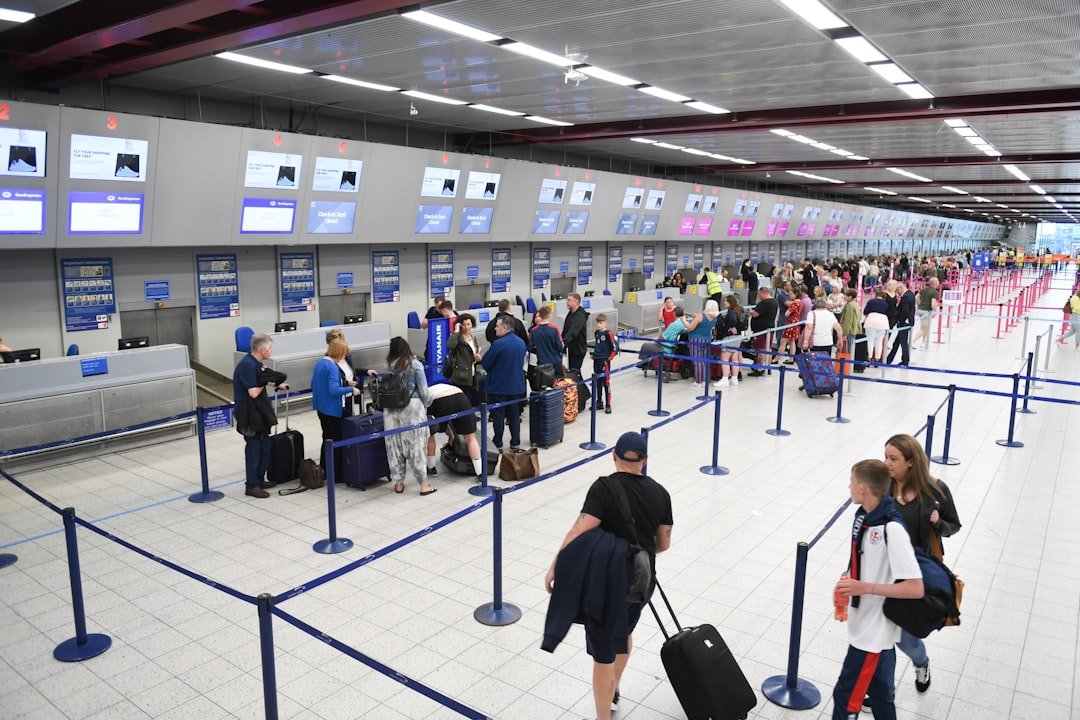
Belgium was one of the early adopters during the phased rollout, and the results were… not smooth. Brussels Airport reported wait times of up to two hours on arrival and one hour on departure. Over the course of four days, 600 passengers missed their flights. Total accumulated delays hit 21 hours. The airport essentially told the European Commission: this isn’t working yet.
Belgium’s Interior Minister and Migration Minister jointly announced they were pausing the biometric component. Federal police stopped collecting fingerprints and facial images, though the digital registration replacing passport stamps continued. The message was clear: the technology and infrastructure weren’t ready for the volume.
Brussels Airport went further, publicly urging the EU to build in flexibility after the April 10 deadline. And to their credit, the Commission listened, at least partially. Countries will have “limited flexibility” to pause EES operations after full deployment to manage summer travel congestion. What “limited” means in practice remains to be seen.
The lesson for travelers: don’t assume every airport is running at full speed on day one. Some borders will be slick. Others will have lines. Plan accordingly.
ETIAS Is Coming Next
If EES is the appetizer, ETIAS is the main course. The European Travel Information and Authorisation System is a pre-travel authorization requirement for visa-exempt non-EU nationals, similar to America’s ESTA or Australia’s ETA. You’ll need to apply online before you travel, pay a small fee, and receive approval before boarding your flight.
ETIAS can’t function without EES (it relies on the same database), which is why it’s been waiting in the wings. Now that EES is going fully operational, ETIAS is expected to launch in late 2026, likely Q4.
When it does launch, there will be a transitional period of at least six months where travelers are encouraged to apply but won’t be turned away without one. After that comes a grace period: first-time travelers to Europe can still enter without ETIAS as long as they meet standard entry requirements. Repeat visitors, however, will need it.
The cost is expected to be modest (around 7 euros), and approval should be near-instant for most applicants. But it’s one more thing to remember before booking that flight to Lisbon.
How to Prepare Right Now
Whether you’re flying to Europe next week or planning a trip later this year, here’s what to do:
- Check your passport. Make sure it’s biometric (look for the small gold chip icon on the cover). Non-biometric passports can still be processed, but only at staffed booths with manual biometric capture, which takes longer.
- Arrive early. Airlines and airports are recommending two and a half to three hours before departure for international flights. If you’re connecting through a major hub like Frankfurt, Amsterdam, or Paris CDG, factor in extra time.
- Download the “Travel to Europe” app if it’s available for your entry country. Pre-registration up to 72 hours before arrival can speed things up.
- Know your 90/180-day math. The system calculates it automatically now, but you should know your own numbers before you get to the border. There are free online calculators (like the one at travel-europe.europa.eu) that can help.
- Remove hats and sunglasses before reaching the kiosk or booth. Sounds obvious, but it speeds up the facial scan.
- Keep your documents accessible. Passport, boarding pass, any supporting documentation for your visit. The border agent or kiosk will need them.
What This Means for Expats and Long-Term Planners
If you’re already a legal resident in an EU country, EES doesn’t apply to you directly. Residence permit holders are exempt from the short-stay tracking. But if you’re in the planning stages, still on a visa-free entry, or bouncing between EU and non-EU countries while you figure out your long-term move, this system changes the math.
The “soft” enforcement era of Schengen is over. Europe now has a digital memory, and it’s shared across 29 countries. Your entry into Greece is visible in Germany. Your exit from Portugal shows up in Finland. The continent just became one system instead of 29 separate stamp collectors who never talked to each other.
For anyone serious about building a life in Europe, this is actually a push in the right direction. The informal gray zone that some travelers relied on (overstaying slightly, counting on manual errors, using creative entry/exit routing) is closing. What remains is the proper route: apply for the right visa, secure legal residency, and do it correctly from the start.
And honestly? That was always the right move. The EES just made it the only move.
—
Immigration policies change frequently. The information in this article reflects requirements as of April 2026. Always verify current requirements with official government sources or a qualified immigration professional before making decisions.
Planning your move to Europe and want to make sure you’re on the right side of the new system? Get in touch with Flare International and let’s map out your options before the rules tighten further.