
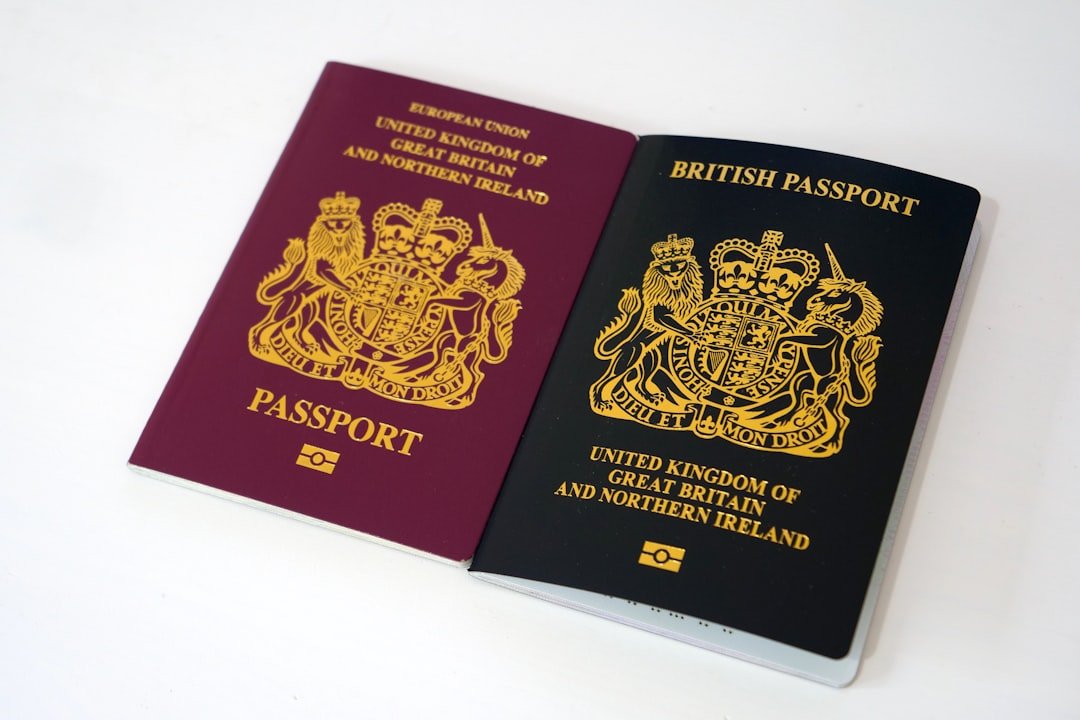
For years, the system worked on a handshake. You’re a British-Australian dual citizen living in Sydney? Flash your Australian passport at the gate, land at Heathrow, smile at the officer, walk through. Nobody asked questions. Nobody cared which passport you used. The UK knew you had the right to be there, and the carriers knew you didn’t need a visa. Everyone was happy.
That handshake ended on February 25, 2026.
The UK’s new Electronic Travel Authorisation system quietly rewrote the rules for an estimated 1.2 million British dual nationals, and a lot of them found out the hard way… at the check-in counter, with a boarding pass that suddenly wasn’t worth the paper it was printed on.
Here’s what actually changed, who it hits hardest, and what you need to do about it before your next trip.
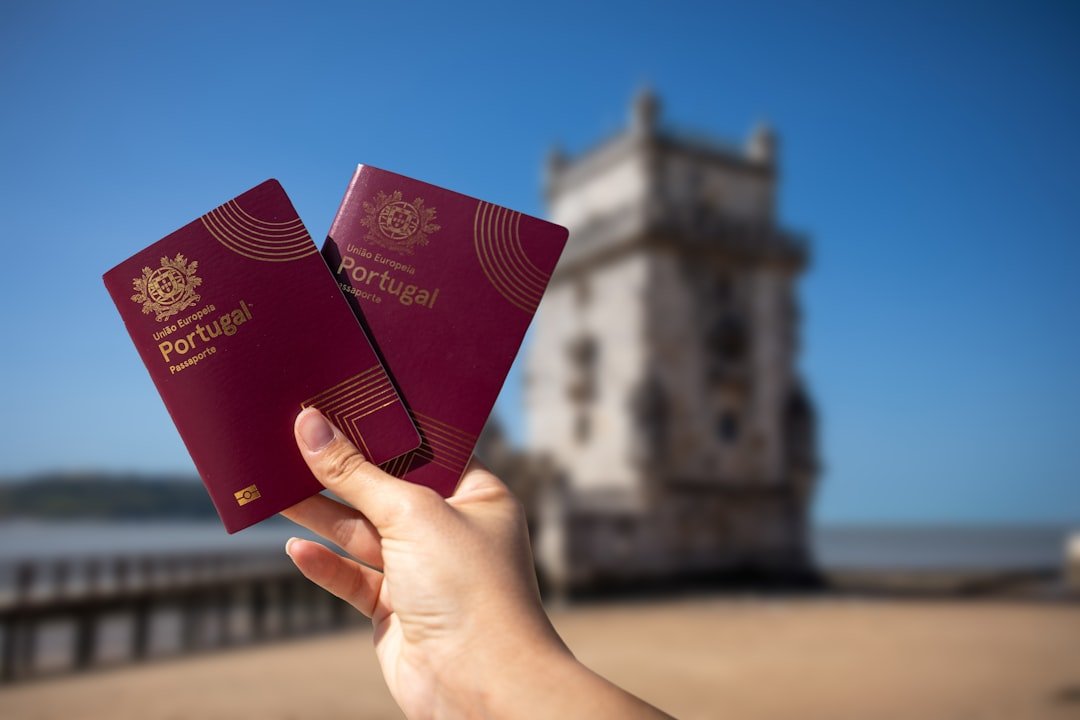
What Changed and Why It Matters
The catalyst is the UK’s Electronic Travel Authorisation, or ETA. Think of it as Britain’s version of the US ESTA or the EU’s upcoming ETIAS. Starting in late 2025 and fully enforced from February 25, 2026, every non-visa national traveling to the UK needs an ETA before they board.
Simple enough, right? Except for one wrinkle that caught millions off guard: British citizens are not eligible for an ETA. The system literally won’t let you apply for one. And carriers are now legally required to verify that every passenger has either a visa, an ETA, or proof of British or Irish citizenship before boarding.
So if you’re a British-Canadian dual national who’s been traveling on your Canadian passport for the last 20 years… your Canadian passport alone no longer gets you on the plane. The carrier can’t issue you an ETA (you’re British), and without some form of British travel documentation, you look like a visa-free traveler with no authorization. The system doesn’t recognize you.
From March 20, 2026, airlines and carriers face fines for bringing passengers who lack proper authorization. So they won’t let you board. It’s that simple.
Who This Actually Affects
The numbers are bigger than most people realize. Over 650,000 British dual nationals live in Australia alone. Add Canada, New Zealand, the US, and every EU member state, and you’re looking at roughly 1.2 million people who held British citizenship alongside a non-visa-required nationality and had been traveling to the UK on their other passport without issues.
The people hit hardest are the ones who’ve been away from the UK the longest. Someone who emigrated to Australia in 1995, let their British passport expire in 2005, and has been using their Australian passport for two decades of family visits… that person now has a problem. A real one. And they might not find out until they try to check in for their flight.
There’s also a generational angle. British citizenship passes to children born abroad in certain circumstances, but plenty of those children never bothered to get a British passport. They had the right to one, they just never needed it. They do now.

Your Three Options (And What They Cost)
If you’re a British dual citizen, you have three paths forward. Two of them cost money. One of them is free but only works if you got lucky with your second nationality.
Option 1: Get a Valid British Passport
The most straightforward fix. A valid British passport solves everything, and it’s what the UK government would obviously prefer you to do.
The bad news? Passport fees went up on April 8, 2026. An adult passport now costs £102 if you apply online from within the UK, or £116.50 if you’re applying from overseas. Children’s passports are £66.50 (UK) or £75.50 (overseas). If you need it rushed, the Premium one-day service runs £239.50, but that’s only available for adult renewals and only from within the UK.
Processing times for overseas applications run 3-4 weeks for renewals and 4-6 weeks for first-time applications, though the Home Office says to allow up to 10 weeks. If you’re reading this and you have a trip coming up in two weeks… you’re probably too late for this route.
Applications are online only. Consulates and embassies stopped processing passport renewals, so don’t bother calling your local High Commission hoping they’ll stamp something for you. They won’t.
Option 2: Certificate of Entitlement
This is the route for people who can’t or don’t want to get a British passport but need to prove their right to enter the UK. A Certificate of Entitlement confirms your “right of abode” in the UK, and it links to your foreign passport so carriers can verify you at check-in.
The cost: £589. Not cheap, and it’s non-refundable if your application is refused. If you want it fast, there’s a £500 priority fee on top of that for a one-week turnaround. Without priority, overseas applications take about 3 weeks, and UK-based applications take 8 weeks.
The good news is a major upgrade that came into effect on February 26, 2026: the Certificate of Entitlement is now digital. Previously, it was a physical sticker (a “vignette”) stuck inside your foreign passport, which meant every time your passport expired, you had to pay £589 all over again to get a new sticker in your new passport. The digital version links to your UKVI account and lasts indefinitely. When your foreign passport expires, you just update your account with the new passport details. No new fee. No new application.
That’s a genuine improvement, and it makes the £589 feel a lot less painful when you realize it’s a one-time cost rather than a recurring expense every time your passport cycles.
Option 3: The Irish Loophole
If you hold British and Irish dual citizenship, you can breathe easy. Irish citizens are completely exempt from the ETA requirement under the Common Travel Area agreement between the UK and Ireland. Your Irish passport gets you into the UK with no ETA, no Certificate of Entitlement, and no need for a British passport.
There’s also a limited exception for people who held status under the EU Settlement Scheme and later became British citizens. If your EUSS eVisa is still showing as valid and your travel document is linked to your UKVI account, you can continue traveling on your EU or EEA passport. But this is a narrow exception that won’t last forever.

The Digital Shift: What It Looks Like in Practice
The move to digital certificates is part of the UK’s broader push toward eVisas and away from physical documents. When you apply for a Certificate of Entitlement now, you’ll set up a UKVI (UK Visas and Immigration) account, upload supporting evidence of your British citizenship (birth certificate, naturalisation documents, or proof of descent), and if approved, your digital certificate lives in that account forever.
At the airport, the carrier checks your status electronically. No sticker to worry about, no physical document to lose. It’s actually more convenient than the old system once you’ve gone through the initial application headache.
One thing to watch: you need to keep your UKVI account details updated. If you get a new foreign passport and don’t link it to your account, the system won’t be able to match you. It takes about five minutes to update, but forgetting to do it before a trip could leave you stranded at check-in.
What Happens If You Just… Don’t Comply
You won’t be arrested. You won’t be fined. But you also won’t be getting on that plane.
The enforcement mechanism here is the carrier, not the border officer. Airlines, ferry companies, and Eurostar are all required to verify your travel authorization before departure. If you show up with only your Australian or Canadian passport and no ETA (which you can’t get because you’re British), the carrier has no way to classify you. You’re not a visa holder, you’re not an ETA holder, and you haven’t proven you’re British. As far as their system is concerned, you don’t have permission to travel to the UK.
The carrier faces penalties for letting you board without proper documentation. So they won’t let you through. It’s that straightforward.
There is some transitional flexibility. The UK government issued temporary guidance allowing carriers to accept expired British passports issued in 1989 or later, as long as the biographical details match a valid non-visa national passport. But “temporary guidance” is exactly what it sounds like, and relying on it for your Christmas trip home is a gamble you probably don’t want to take.
The Bigger Picture: Digital Borders Are Here to Stay
The UK isn’t doing this in a vacuum. The EU’s Entry/Exit System (which went live on April 10, 2026) is building a similar digital border infrastructure. Australia, Canada, and the US all have their own electronic travel authorization systems. The direction is clear: physical passports are becoming just one layer of a digital verification stack, and the assumption that “any valid passport = boarding permission” is dying fast.
For people holding multiple citizenships, this means thinking more carefully about which passport to use and when. The days of casually picking whichever one has the shorter immigration line are fading. Each citizenship comes with its own digital trail, its own requirements, and increasingly, its own set of obligations at the border.
If you’re building a global mobility strategy that involves multiple passports, these administrative details matter. A second passport is only as useful as your ability to actually use it at the gate.
What You Should Do Right Now
If you’re a British dual citizen who’s been traveling on your other passport, here’s the practical checklist:
- Check if your British passport is still valid. If it expired recently, renew it now. Don’t wait until you’re booking a trip. Processing times from overseas can stretch to 10 weeks.
- If you don’t have a British passport and don’t want one, apply for a digital Certificate of Entitlement (£589, one-time cost). Do this well before your next trip. Budget 3 weeks for overseas processing.
- If you hold Irish citizenship alongside British, you’re fine. Use your Irish passport. No action needed.
- If you have EU Settlement Scheme status, check that your eVisa is still valid and linked to your current travel document in your UKVI account.
- If you’re a parent of British children born abroad, check whether they need their own British passport or Certificate of Entitlement. Children are not exempt.
- Set a reminder to update your UKVI account whenever you renew your foreign passport. The digital certificate is linked to specific passport details.
The rules are real, the enforcement is live, and the carriers are taking it seriously. The worst time to find out you’re not compliant is when you’re standing at the check-in desk with your family behind you and a gate agent telling you they can’t let you board.
Get it sorted now. Your future self, probably standing in a much shorter line, will thank you.
Need help building a multi-passport strategy that actually works at the border? Get in touch with Flare International for a personalized global mobility consultation.
Immigration policies change frequently. The information in this article reflects requirements as of April 2026. Always verify current requirements with official government sources or a qualified immigration professional before making decisions.