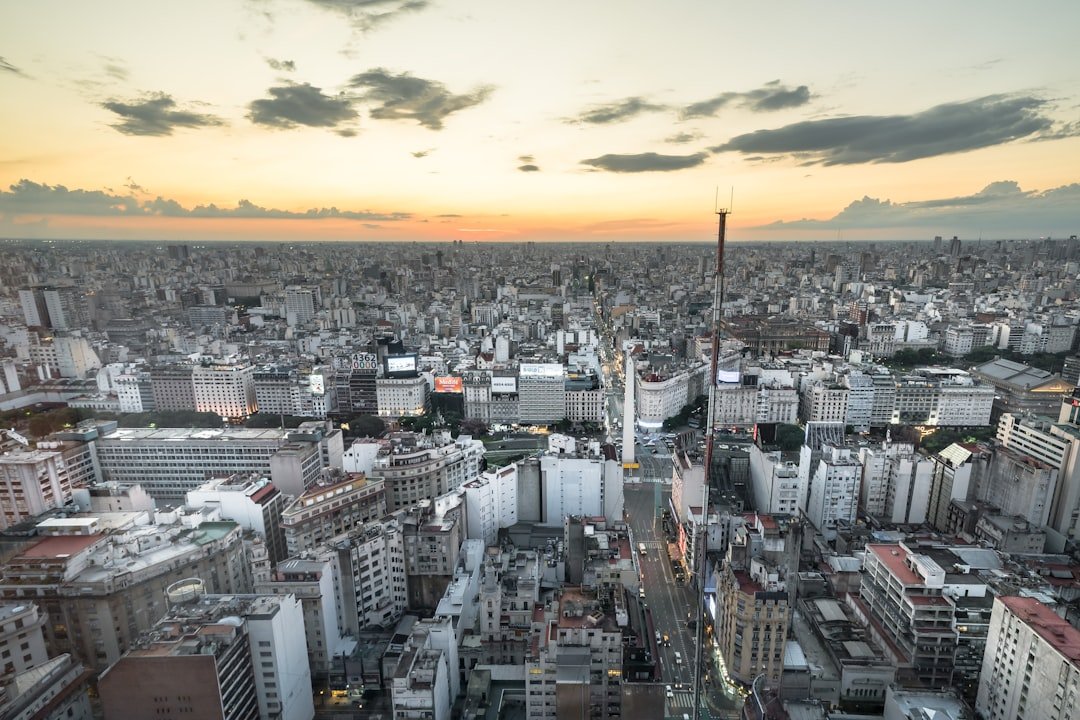
Two years ago, Argentina’s economy was on fire. And not the good kind. Annual inflation had blown past 200%, the peso was in freefall, and the gap between the official exchange rate and the black market rate was wide enough to park a truck in. If someone had told you back then that by mid-2026 inflation would be trending toward 20%, the government would be running its first fiscal surplus in 14 years, and foreign investors would be showing up with checkbooks… you’d have laughed. Or cried. Possibly both.
But here we are. Javier Milei’s chainsaw approach to Argentina’s economy has produced results that even his critics have trouble dismissing entirely. And for anyone who’s been keeping an eye on South America as a place to live, invest, or build a backup plan, the question isn’t abstract anymore. It’s practical: is this the window?
The Numbers That Changed the Conversation
When Milei took office in December 2023, Argentina’s annual inflation rate sat at a staggering 211%. By November 2025, it had dropped to 31.8%, the lowest in over seven years. Forecasts for 2026 have it converging to roughly 1.5% per month by midyear, with the annualized rate expected to land around 19.6%. If that holds, it would be the lowest since 2009.
How? The short version is brutal austerity. Government spending dropped 27.2% in two years, from 185 trillion pesos down to 134 trillion (roughly $8 billion USD). Subsidies were slashed. Ministries were merged or eliminated. The public sector workforce shrank considerably. The result was Argentina’s first primary fiscal surplus in 14 years, something economists had been calling structurally impossible for the better part of a decade.
GDP grew 4.4% in 2025 and is projected at 3.4% for 2026. The poverty rate, while still painfully high at 36%, is at its lowest point since 2018 and trending downward. In April 2025, the government removed most capital controls, and for the first time since 2019, the gap between the official and parallel exchange rates nearly vanished. That’s a big deal if you’re someone who remembers trying to figure out which dollar rate applied to you while standing in a Buenos Aires money exchange.

What This Actually Means If You’re Holding Dollars
Argentina in 2026 is absurdly cheap for anyone earning in USD, euros, or pounds. The cost of living runs 30% to 50% below the US, Canada, the UK, or Germany, depending on your lifestyle. A full steak dinner with wine at a high-end Buenos Aires parrilla still comes in under $20. Your monthly grocery bill will make you question everything you’ve ever paid at a Whole Foods. The country is one of the world’s top producers of beef, wheat, corn, and wine, so locally produced food stays genuinely inexpensive.
For a single expat living comfortably in Buenos Aires, a reasonable monthly budget sits between $1,200 and $1,700 USD. That includes a nice apartment in a safe neighborhood, private health insurance, regular dining out, and occasional travel. Compare that to Lisbon, where a similar lifestyle runs $2,500+, or Dubai at $3,500+, and the math starts getting interesting fast.
Real estate tells an even more dramatic story. About 80% of residential transactions in Buenos Aires fall between $80,000 and $250,000. For the price of a down payment on a condo in Miami, you can buy an apartment outright in Palermo or Recoleta. There’s a catch, though, and it’s a significant one: Argentina’s mortgage market is essentially nonexistent, especially for foreigners. You’re paying cash. The entire amount. At closing. If that’s within reach, the value proposition is hard to argue with. If it’s not, you’re renting, and rental prices in premium neighborhoods like Recoleta run $1,200 to $2,200 per month.
The New Residency and Citizenship Pathways
Argentina has always been one of the easier countries in South America for foreigners to establish residency. The traditional temporary residency (residencia temporaria) still works the same way it always has: you apply through the Direccion Nacional de Migraciones, provide documentation, and receive a three-year permit. After two years of legal residence, you can apply for citizenship. Argentina allows dual citizenship with no restrictions, which makes it an appealing passport to add to the collection.
But the bigger headline is Decreto 524/2025, signed by Milei in July 2025. It created South America’s first citizenship-by-investment program. The deal: invest $500,000 USD into qualifying sectors (agribusiness, renewable energy, technology, or tourism infrastructure), and you skip the residency requirement entirely. No two-year wait. No minimum stay. Applications get processed within 30 business days. Dual citizenship is explicitly permitted.
Now, the fine print. The implementing regulations are still being finalized, with a full launch expected in the second half of 2026. So this isn’t something you can walk into a government office and do tomorrow. But the legal framework exists, the decree is signed, and the machinery is being built. For our existing readers who followed our earlier coverage of the decree, the timeline is tracking as expected.
For larger-scale investors, the RIGI (Regimen de Incentivo para Grandes Inversiones) offers something remarkable: 30 years of legal and tax stability for investments of $200 million or more, targeting energy, mining, infrastructure, and technology. That’s institutional-grade stuff, but it signals where the government’s head is at. They want foreign capital, and they’re willing to lock in the rules to get it.

The Stuff Nobody Puts in the Brochure
I’d be doing you a disservice if I painted this as a straightforward story. Argentina is still Argentina. The reforms are real, but so are the risks, and anyone selling you an uncomplicated narrative is either uninformed or has something to sell.
First, the poverty rate. Yes, it’s declining. Yes, 36% is the lowest since 2018. It’s also still 36%. More than a third of the country lives below the poverty line. That’s the human cost of the austerity that brought inflation down, and it shapes daily life in ways that GDP figures don’t capture. Neighborhoods change character within a few blocks. The gap between the Buenos Aires that expats experience and the Buenos Aires that most Argentines live in is wide.
Safety is manageable but not something you can be casual about. Buenos Aires is safer than most Latin American capitals, with a homicide rate of 3 to 4 per 100,000 (compare that to around 7 in the US). The real risk is petty crime, specifically the motochorros, motorcycle-riding thieves who work in pairs and snatch phones, bags, and jewelry from pedestrians. Stick to neighborhoods like Palermo, Recoleta, Belgrano, or Nunez, stay aware, and you’ll be fine. But “stay aware” means actually staying aware, not scrolling your phone while walking down a quiet side street at midnight.
Bureaucracy remains deeply Argentine. Getting your DNI (national identity document), opening a bank account, signing a rental contract… each one involves a level of paperwork and patience that would make a German civil servant sweat. The system works. It just works at its own pace, on its own terms, with its own logic.
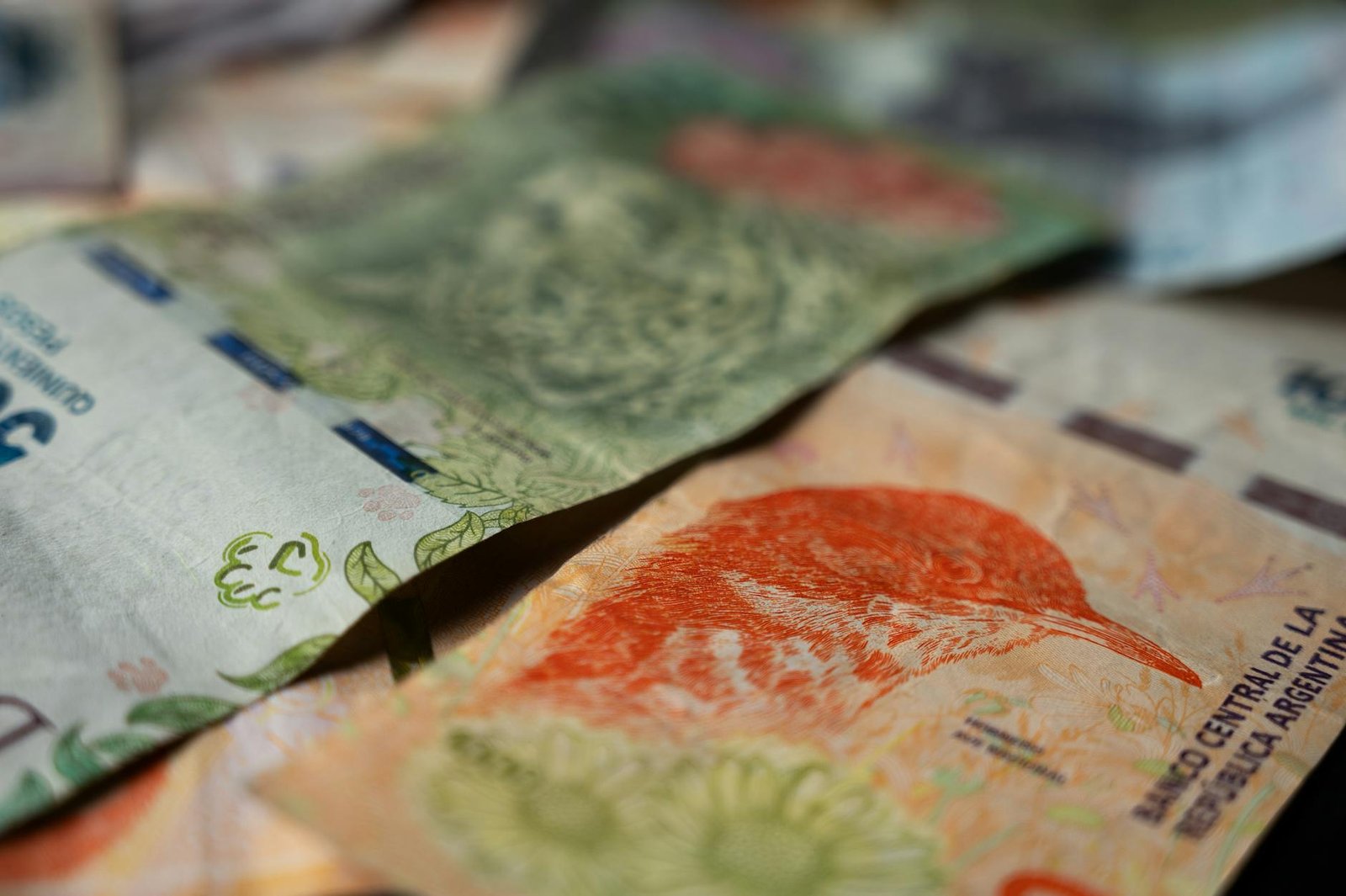
And then there’s the peso. The new monetary framework introduced in January 2026 has the exchange rate adjusting within bands tied to inflation, which is a more rational approach than anything Argentina has tried in recent memory. But analysts at the Peterson Institute note that the framework still has vulnerabilities, and the path to true price stability is, in their words, “unnecessarily narrow.” Translation: things could go sideways if external conditions shift. If you’ve ever watched the peso’s history, you know this isn’t paranoia. It’s pattern recognition.
Who Should Actually Be Looking at This
Argentina in 2026 is not for everyone. It’s for people who can handle some uncertainty in exchange for outsized value. Remote workers earning in strong currencies will find one of the best lifestyle-to-cost ratios on the planet. Investors with cash on hand (emphasis on cash) are looking at a real estate market that’s been undervalued for years and is just starting to attract international attention again. Entrepreneurs benefit from Milei’s aggressive deregulation, with the Senate passing labor market reform in February 2026 and 90 more legislative initiatives on the table.
If you need predictability above everything else, if currency risk keeps you up at night, if you want a country where the system runs like clockwork… this isn’t your stop. Look at Uruguay next door, or southern Brazil, or Portugal. All excellent, all more stable, all considerably more expensive.
But if you’ve got the risk tolerance and you’ve been watching South America, this version of Argentina is genuinely different from anything the country has offered in decades. The macro direction is right. The reforms are substantive, not cosmetic. The window where the cost of living sits at “absurdly cheap for a world-class city” while the economy is actively rebuilding… that window doesn’t stay open forever.
I’d rather tell you to look at it now and decide it’s not for you than have you look at it in 2028 when everyone else has already figured it out.
If you’re weighing Argentina against other global mobility options, Flare International can help you map out the right strategy for your specific situation, whether that’s residency, citizenship, or just figuring out where your money goes the furthest.
—
Immigration policies and economic conditions change frequently. The information in this article reflects requirements and data as of May 2026. Always verify current requirements with official government sources or a qualified immigration professional before making decisions.