Tell someone you’re moving to Brazil and you’ll get the look. The slightly raised eyebrows, the half-suppressed grimace, the inevitable “just… be careful.” It’s a fair reaction if your only reference points are headlines about Rio de Janeiro favelas and São Paulo carjackings. But here’s the thing… those headlines are telling you about five percent of the country while ignoring the other ninety-five.
Brazil just wrapped its safest year in over a decade. The national homicide rate dropped below 15 per 100,000 in 2025, a 20% decline over three years. And certain cities here? They’re posting violent crime numbers that would make mid-size American cities uncomfortable by comparison. Brusque, in the southern state of Santa Catarina, clocked in at 1.43 violent deaths per 100,000 inhabitants last year. For reference, that puts it roughly on par with Denmark.
So no, “Brazil is dangerous” isn’t wrong exactly. But “all of Brazil is equally dangerous” is wildly wrong, and the gap between the safest and most dangerous cities here is bigger than most people realize.
The Numbers That Changed the Story
Brazil’s relationship with violent crime has been complicated for decades, and the reputation is earned, not invented. In 2017, the country recorded its deadliest year in modern history. But something shifted after that.
The national homicide rate has been falling consistently, and 2025 marked a genuine turning point: fewer than 15 violent deaths per 100,000 people, the lowest figure in more than ten years. The three-year trend shows a 20% reduction, with even historically violent states in the North and Northeast (Ceará, Pernambuco, Pará, Maranhão) posting drops of over 10%.
What’s driving it? Criminologists point to a mix of targeted state and municipal security policies, demographic shifts in the young male population, and increased investment in intelligence-led policing. It’s not one magic bullet. It’s a lot of small ones, compounding over time.
The important takeaway for anyone considering Brazil as a relocation destination: the trajectory is moving in the right direction, and some regions have pulled dramatically ahead of the curve.
Why Santa Catarina Keeps Winning
If Brazil were a collection of small countries (and honestly, it kind of is, given the size), Santa Catarina would be the quiet one in the corner with suspiciously good schools and an annoyingly low crime rate.
The Atlas da Violência 2025, published by Brazil’s Institute for Applied Economic Research (IPEA), ranked Santa Catarina as the safest state in the country with a rate of 8.6 violent deaths per 100,000 inhabitants. The national average is roughly double that. The state of São Paulo follows at 11.2.
Santa Catarina dominates the national safety rankings to an almost absurd degree. Of the top 30 safest cities in Brazil (among municipalities with over 100,000 residents), Santa Catarina holds five spots, including the top three: Brusque (1.43), Jaraguá do Sul (2.23), and Tubarão (2.84).
To put those numbers in perspective, the homicide rate in the United States was approximately 6.1 per 100,000 in 2023. These Santa Catarina cities are running at a third to a quarter of the American average. Cities like Brusque are statistically safer than most of Europe’s mid-tier nations.
Why does this one state keep outperforming? A combination of factors that don’t get enough credit: strong Germanic and Italian immigrant heritage that built community-oriented small cities, consistently high Human Development Index scores, diversified industrial economies (textiles, automotive, food processing) that keep unemployment low, and state governments that have invested in public security infrastructure for decades. It’s not an accident. It’s compounding good decisions over a long time.
The 10 Safest Cities in Brazil by the Data
The MySide Anuário 2025, which analyzed 1.5 million death records using data from Brazil’s Ministry of Health and IBGE census data, ranks the safest municipalities with populations above 100,000. Here are the top 10:
| Rank | City | State | Violent Deaths per 100K |
|---|---|---|---|
| 1 | Brusque | Santa Catarina | 1.43 |
| 2 | Jaraguá do Sul | Santa Catarina | 2.23 |
| 3 | Tubarão | Santa Catarina | 2.84 |
| 4 | Santana de Parnaíba | São Paulo | 2.90 |
| 5 | Birigui | São Paulo | 3.56 |
| 6 | Atibaia | São Paulo | 3.96 |
| 7 | Ituiutaba | Minas Gerais | 4.21 |
| 8 | Valinhos | São Paulo | 4.60 |
| 9 | Salto | São Paulo | 4.68 |
| 10 | Bragança Paulista | São Paulo | 4.75 |
A few things jump out immediately. São Paulo state owns six of the top 10 spots. The state that contains Brazil’s biggest, most chaotic megacity also contains some of its safest smaller cities. The “interior paulista” (the region outside the capital) is one of Brazil’s best-kept secrets for quality of life, and these numbers prove it.
Second, every single city on this list is in the South or Southeast. That’s not a coincidence. These regions have the country’s highest HDI scores, strongest economies, and most developed public infrastructure. For expats looking at Brazil, the South and Southeast should be at the top of the list.
Third, notice what’s missing: Rio de Janeiro. São Paulo capital. Salvador. Recife. The cities that dominate the international imagination of Brazil are nowhere near this list. The Brazil that tourists see and the Brazil that could actually be home are very different places.
The Safest Capital Cities for Expats
Most expats aren’t moving to Brusque (population: 140,000, primary social language: Portuguese with a German accent). Capital cities are where the infrastructure lives: international schools, private hospitals, consulates, English-speaking services, and actual flight connections. So which Brazilian capitals are safest?
The MySide ranking of state capitals by homicide rate per 100,000:
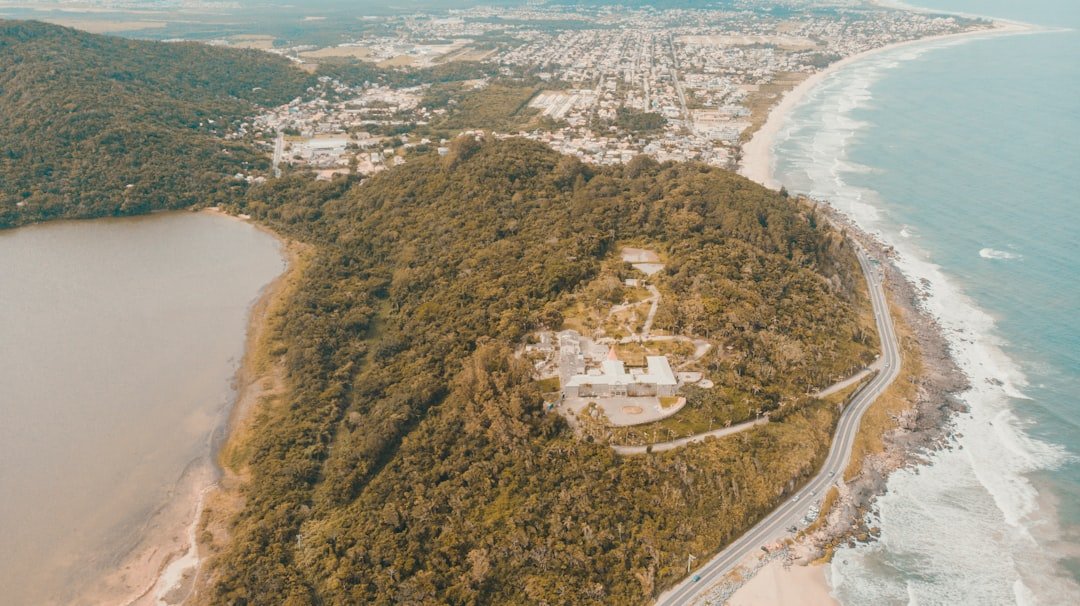
1. Florianópolis (SC): 10.73 … the clear winner and it’s not close. Island city, ridiculous beaches, a growing tech hub that some people are calling “Brazil’s Silicon Valley.” The expat community here is small but real, concentrated in neighborhoods like Jurerê Internacional and Lagoa da Conceição. The vibe is somewhere between a European coastal town and a Brazilian surf village, which is exactly as good as it sounds.
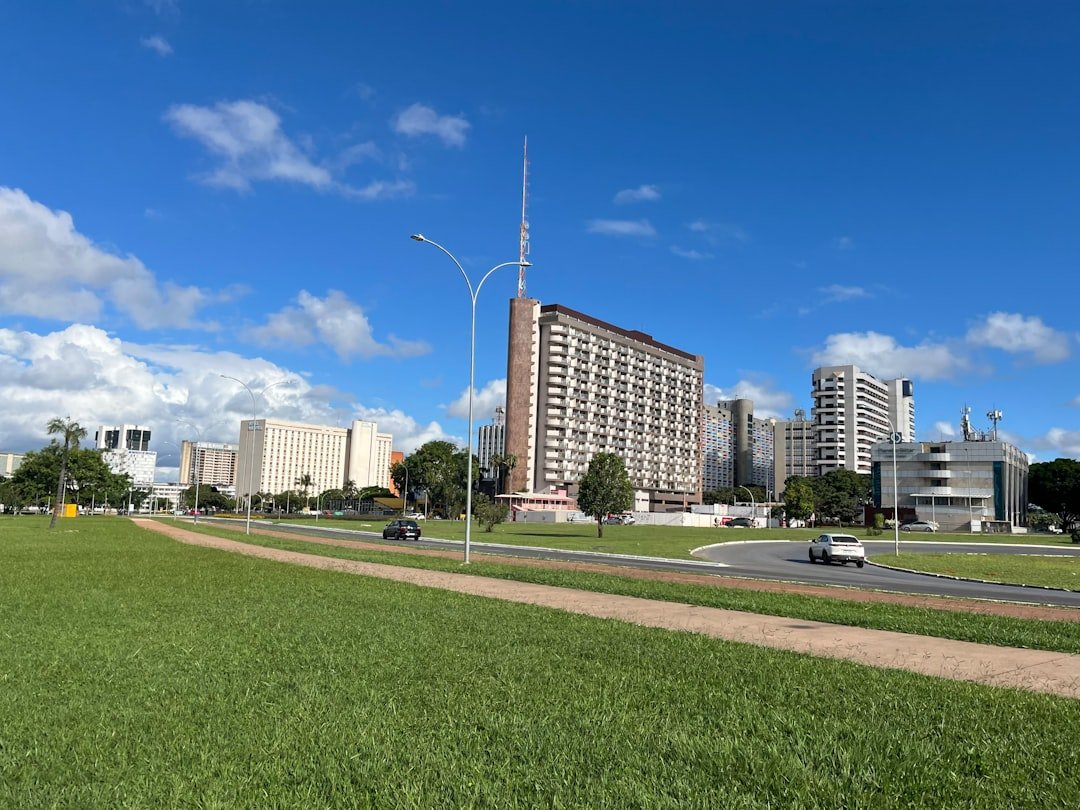
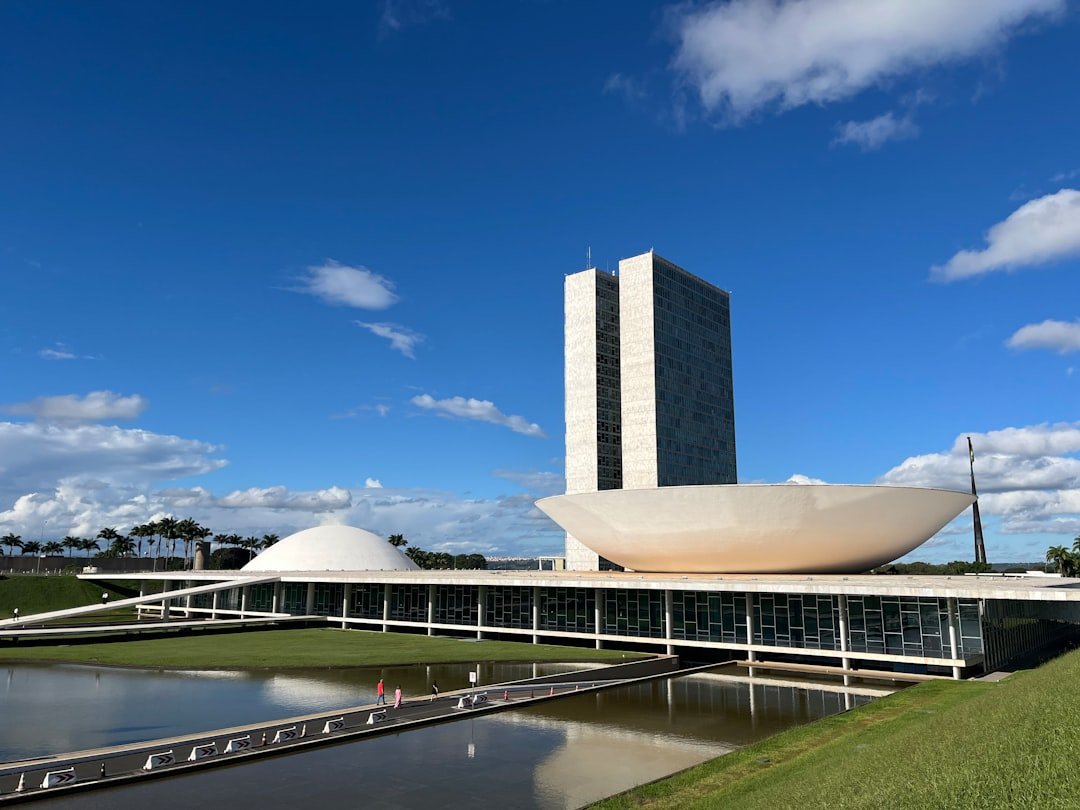
2. Brasília (DF): 12.35 … the planned capital recorded its lowest homicide rate in 11 years. Brasília gets dismissed as “boring” by Brazilians who grew up near beaches, but for expats it offers wide boulevards, world-class restaurants, embassies everywhere (which means a built-in international community), and the kind of urban planning that actually works. Neighborhoods like Asa Sul, Asa Norte, Lago Sul, and Sudoeste are genuinely safe.
3. São Paulo (SP): 13.15 … yes, really. The city of 12 million people, famous for traffic jams and concrete, ranks third among Brazilian capitals for safety. The catch is that São Paulo’s safety is intensely neighborhood-dependent. Jardins, Vila Madalena, Pinheiros, Itaim Bibi, and Moema feel like upscale European neighborhoods. Certain peripheral areas… don’t. But the same applies to London, Paris, and New York.
4. Curitiba (PR): 23.14 … this one will surprise people because Curitiba has a reputation as one of Brazil’s “model cities,” famous for its public transport system and green spaces. At 23.14, it’s not in the top three, but the city’s urban infrastructure, quality of life, and European-influenced culture make it a strong contender for expats who want a Southern Brazilian city with cooler weather and proper seasons.
What the Data Doesn’t Tell You
Numbers paint a picture, but they don’t tell you what it feels like to walk down a street at 10 PM in Florianópolis versus Fortaleza. Here’s what years of living in Brazil teach you that crime statistics can’t:
Safety in Brazil is hyperlocal. Two neighborhoods separated by a single highway can have completely different realities. In São Paulo, you can be in a neighborhood where you’d walk alone at midnight without a second thought, cross a bridge, and be somewhere you wouldn’t want to be at noon. Always research at the neighborhood level, not just the city level.
Common sense goes further here than almost anywhere. Don’t flash expensive phones on the street. Don’t walk around with headphones in unfamiliar areas. Don’t carry large amounts of cash. Don’t take unmarked taxis. Use ride-hailing apps (99 and Uber both operate nationwide). These aren’t special Brazil rules… they’re just more important here than in, say, Helsinki.
Petty crime is the real risk, not violent crime. In the safest cities on this list, your biggest concern isn’t getting mugged. It’s having your phone swiped at the beach, or your car broken into because you left a bag visible on the seat. Opportunistic theft that exists in every major city worldwide, just with a slightly higher frequency.
The communities that form around safety matter. Gated condominiums (condomínios fechados) are the norm in Brazilian middle-class life, not a luxury. Most have 24-hour security, cameras, and controlled access. For expats with families, these communities offer a quality of life that feels remarkably secure and connected.
Language is your best safety tool. Speaking even basic Portuguese changes everything. You can read signs, understand directions, ask locals which areas to avoid, and signal that you’re not a tourist who just stepped off a cruise ship. The investment in learning Portuguese pays safety dividends that no gated community can match.
The Bottom Line
Brazil isn’t going to shake its reputation overnight, and honestly, it shouldn’t try to pretend the challenges don’t exist. The country has real security issues, and minimizing them would be irresponsible. But the gap between the Brazil of the headlines and the Brazil that exists in cities like Florianópolis, Brusque, or the interior of São Paulo state is enormous… and growing.
If you’re considering Brazil for relocation, investment, or a Plan B residency, the question isn’t “is Brazil safe?” It’s “which Brazil?” Because the one you’re probably picturing isn’t the only one that exists.
For a personalized assessment of where in Brazil fits your situation, get in touch with Flare International.
—
Immigration policies and safety conditions change frequently. The information in this article reflects data and requirements as of April 2026. Always verify current conditions with official government sources or a qualified immigration professional before making decisions.