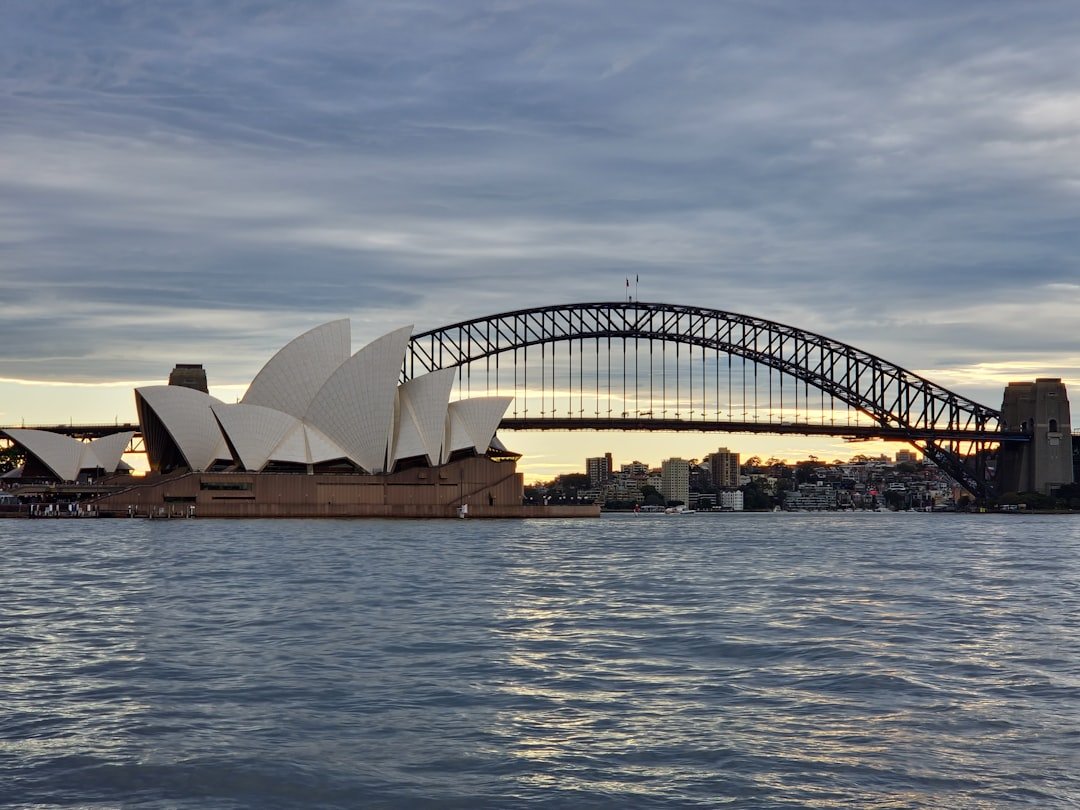
The pitch for Australia is basically a tourism commercial that never ends. Sunshine 300 days a year. Beaches that look photoshopped. Kangaroos casually hanging out in suburban backyards like they pay rent. Everyone knows that version of Australia.
But the version where you’re trying to figure out whether your visa actually lets you see a doctor without going bankrupt, or whether you can afford a one-bedroom apartment within an hour of your job, or why the closest train station is a 40-minute drive… that Australia gets a lot less screen time.
So before you start browsing flights to Sydney, here’s what living in Australia actually looks like from the inside, starting with the systems you’ll rely on every single day.
The Healthcare System Is Excellent (If You Qualify)
Australia’s public healthcare system, Medicare, is genuinely one of the best in the world. It covers doctor visits, hospital treatment as a public patient, and subsidized prescriptions through the Pharmaceutical Benefits Scheme, where the maximum co-pay dropped to just $25 per medicine in January 2026. The whole thing is funded by a 2% income tax levy, and for citizens and permanent residents, it works beautifully.
Here’s the part nobody mentions in the brochure: if you’re on a temporary visa, you probably don’t qualify.
Most temporary visa holders, including skilled workers on certain subclasses, need private Overseas Visitor Health Cover (OVHC) for the entire duration of their stay. That’s not optional. Immigration requires it. And while OVHC covers hospital visits and GP appointments, the policies vary wildly in what they actually pay out.
There is one exception worth knowing about. Australia has Reciprocal Health Care Agreements with 11 countries: the UK, Ireland, New Zealand, Belgium, Finland, Italy, Malta, Netherlands, Norway, Slovenia, and Sweden. If you hold a passport from any of those countries, you can access medically necessary treatment through Medicare while you’re in Australia. It’s not full coverage, and it doesn’t include dental or ambulance, but it’s a meaningful safety net that most people from those countries don’t even realize exists until they need it.
For everyone else, budget $100-200 AUD per month for OVHC and understand that you’re essentially paying twice: the levy funds a system you can’t use, and the private insurance covers the gap. It’s not broken exactly, but it’s not the universal coverage the marketing suggests either.
The Housing Market Will Test Your Patience
If Australian healthcare is the pleasant surprise, the housing market is the cold shower.
Australia is in the middle of one of the worst housing affordability crises in the developed world, and 2026 has done nothing to fix it. Sydney leads the pack at $780 AUD per week for a house rental and $750 per week for a unit. Melbourne is slightly less brutal at around $580 per week, but “slightly less brutal” is doing heavy lifting in that sentence.
For a one-bedroom apartment in central Sydney or Melbourne, you’re looking at $1,200 to $1,800 USD per month. Push out to the suburbs and it drops to $900-1,200, but then you’re adding commute time and transport costs back into the equation.
The real problem isn’t just the price though. It’s the competition. Vacancy rates have dropped below 1% in many areas, which means you’re not just looking for a place to live… you’re competing for one. Rent bidding has become normalized. Showing up to an open inspection with 30 other people is a regular Saturday activity. And if you’re new to the country with no rental history, no local references, and no established credit, you start at the back of a very long line.
Median rents in Sydney and Melbourne have jumped more than 30% in the past two years, outpacing both inflation and wage growth by a wide margin. The drivers are straightforward: population growth and migration are running ahead of housing construction, and nobody seems to have a fix that works faster than “wait.”
Safety? Genuinely Great News
Here’s where Australia earns its reputation honestly.
Australian cities consistently rank among the safest urban centers worldwide, with crime rates sitting in the 18-30% range depending on the city. To put that in perspective, Hobart’s crime rate is just 18%, and even Sydney and Melbourne, the biggest and busiest cities, remain well within safe territory by global standards.
The safest cities in 2026: Hobart, Canberra, Adelaide, and Perth top the list. Canberra holds a safety index of 73.6, and Perth benefits from its geographic isolation in ways that extend well beyond just peace and quiet. Violent crime is low. Street safety at night is generally solid in most neighborhoods. And while no city is crime-free, the base level of personal safety in Australia is meaningfully higher than in most countries expats are coming from, whether that’s the US, UK, South Africa, or Brazil.
This is one area where the postcard version matches reality.
Getting Around Without a Car
Public transportation in Australia is a tale of two (or three) cities, and then everywhere else.
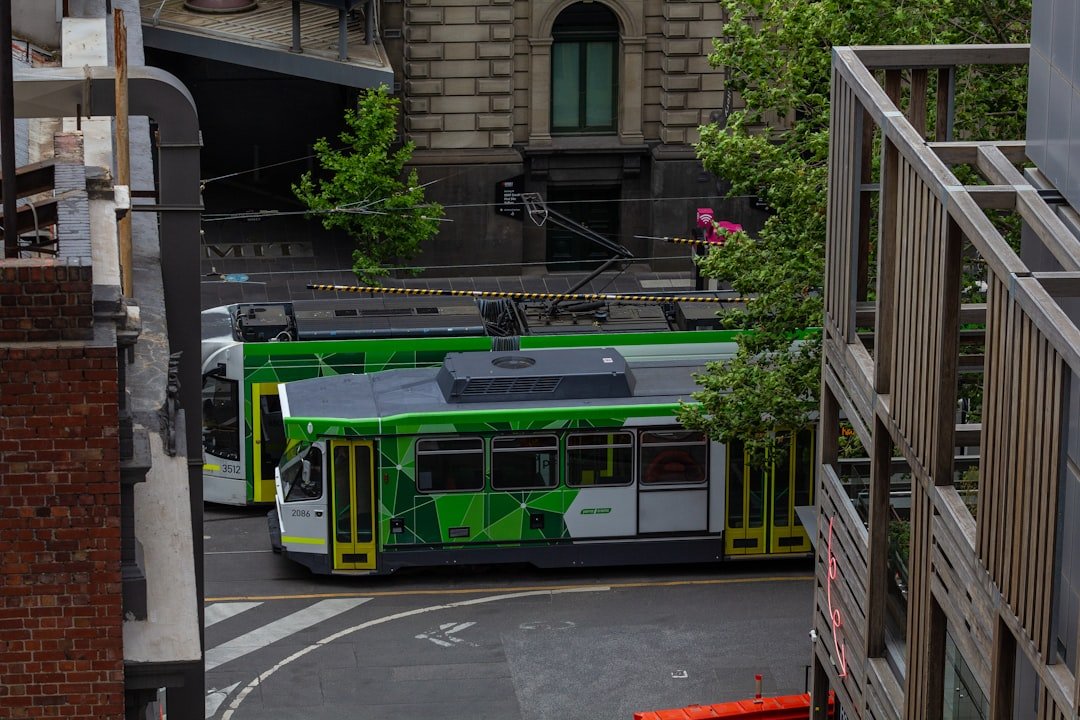
Melbourne runs the largest tram network outside of Europe, with more than 250 kilometers of track criss-crossing the city. There’s a Free Tram Zone covering the entire CBD, and as of early 2026, they’re rolling out contactless bank card payments across the myki network. If you live and work within Melbourne’s inner suburbs, you can genuinely get by without a car.
Sydney is arguably better connected for suburban commuters, with a newer metro system, extensive bus routes, and ferry services that double as scenic tours. The infrastructure is solid, wait times are reasonable, and the system keeps expanding.
Brisbane is… getting there. Average wait times of about 12 minutes for buses and trains, a booming economy, and 283 sunny days a year. But the transit network is thinner, and the city sprawls in ways that make a car more than a convenience.
Outside these three cities? Plan on driving. Australia is enormous, its population is concentrated along the coasts, and the spaces between cities are measured in hours, not minutes. Smaller cities and regional towns may have bus services, but the frequency and coverage drop off sharply. Average weekly transport spend in capital cities runs about $40 AUD, with Brisbane households paying the most at nearly $60 per week.
Schools That Rank Globally (With a Catch for Visa Holders)
Australian education consistently places in the top 20 worldwide. The OECD gives it an 8.6 out of 10, and the average Australian student outperforms the OECD mean across reading, math, and science. Public schools are government-funded, managed by state or territory education departments, and for citizens and permanent residents, they’re completely free.
For families on temporary visas, however, public school isn’t free. Temporary visa holders pay tuition fees for their children to attend public schools, and those fees vary by state but typically run between $5,000 and $15,000 AUD per year depending on the level. Private and international schools cost considerably more.
The quality is genuinely high. Australia’s ESOS Act (Education Services for Overseas Students) sets strict standards that schools must meet before accepting international students, and each school with international enrollment has a dedicated coordinator for academic and welfare support. It’s well-regulated, well-resourced, and produces strong outcomes. Just don’t assume “free public education” applies to you until you’ve confirmed your visa subclass allows it.
The Visa System Is Where Dreams Go to Wait
Australia uses a points-based skilled migration system that looks straightforward on paper and gets complicated fast in practice.
The main pathways: Subclass 189 (Skilled Independent) gives you permanent residency from day one with no state sponsorship or employer ties. Subclass 190 (Skilled Nominated) requires a state government nomination. Subclass 491 (Skilled Work Regional) means living and working in a designated regional area for at least three years before you can apply for permanent residency.
The official pass mark is 65 points, based on age, English proficiency, work experience, and education. In reality, 65 points gets you into the queue. Getting an actual invitation to apply in 2026 requires significantly more, especially in competitive fields like accounting and IT where superior English scores (IELTS 8.0 or PTE 79) are practically mandatory.
The government allocated 185,000 permanent residency spots for the 2025-2026 migration year, which sounds generous until you realize how many people are competing for them. Subclass 190 has just 12,850 places. Subclass 491 has 7,500. Every nomination round is a battle.
Employer-sponsored visas have emerged as the more predictable alternative, bypassing the points lottery entirely. If you can secure a job offer from an Australian employer willing to sponsor you, the Skills in Demand visa and Employer Nomination Scheme provide a clearer, more stable path to permanent residency.
What Nobody Mentions Until You’re Already There
The biggest adjustment for most expats in Australia isn’t the cost or the bureaucracy. It’s the distance.
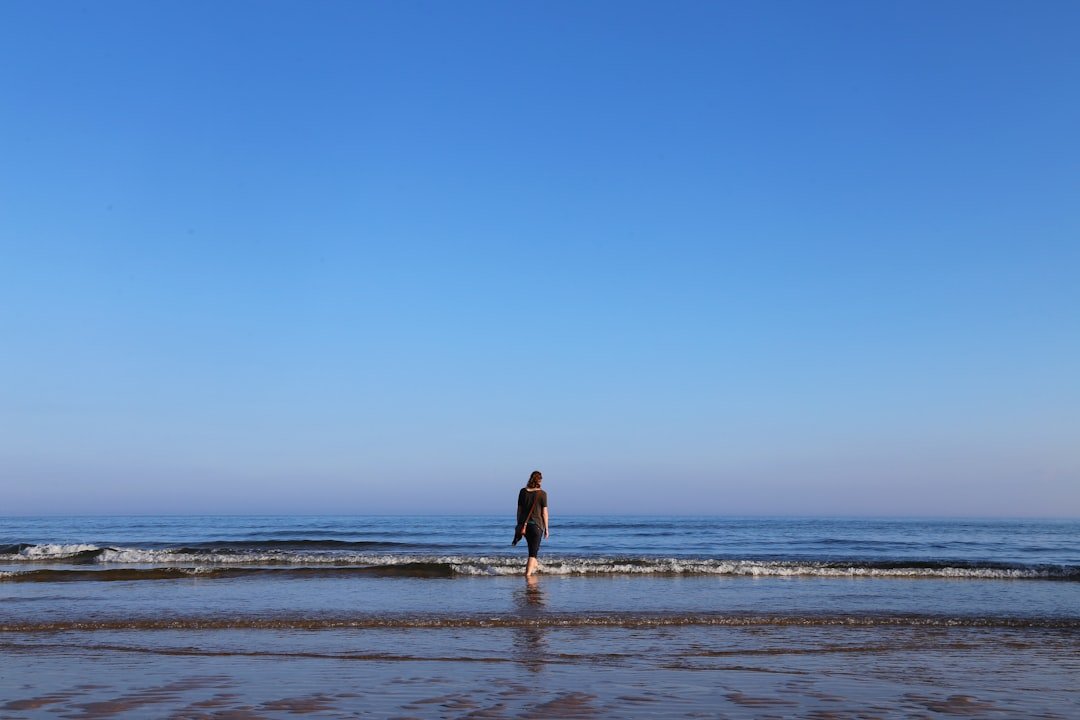
Australia is far from everywhere. A flight to Europe takes 20+ hours. Even getting to Southeast Asia, the closest major region, is a 6-8 hour trip. If you’re used to popping home for a weekend or catching cheap flights to neighboring countries, that reality hits differently when you’re actually living it. International travel is time-consuming and expensive, and the distance from family adds a psychological weight that the sunshine doesn’t fully offset.
Social integration takes longer than most people expect. Despite being genuinely multicultural, with about 30% of the population born overseas, building a close circle of friends takes real effort and time. About 77% of expats in Melbourne report being happy, which is a strong number, but the path to that happiness often runs through a lonely first year of figuring out where you fit.
On the employment side, roughly 44% of migrants find work within three months. That’s decent, but it means more than half are still looking after that mark. Professional licensing barriers, requirements for “local experience,” and qualification recognition issues slow things down for many skilled workers, even those who were specifically recruited to fill shortages.
And then there’s the payoff. Salaries in Australia run 20-30% higher than the UK on average. The cost of living is 10-25% higher too, but for most professionals, the math still works out favorably. Add in over 2,800 hours of sunshine per year, some of the best beaches on the planet, and a work-life balance that actually means something, and you start to understand why people stay despite the distance, the rent, and the visa headaches.
Australia is a genuinely excellent place to build a life. It just isn’t the easy, breezy transition the tourism ads imply.
If you’re seriously considering making the move, talk to someone who knows how the systems actually work before you file your first application. The difference between a smooth transition and a year of expensive mistakes usually comes down to the questions you asked before you left. Explore our global mobility services to get started.
—
Immigration policies change frequently. The information in this article reflects requirements as of April 2026. Always verify current requirements with official government sources or a qualified immigration professional before making decisions.